Why Silt Fencing Matters Before Land Clearing or Excavation
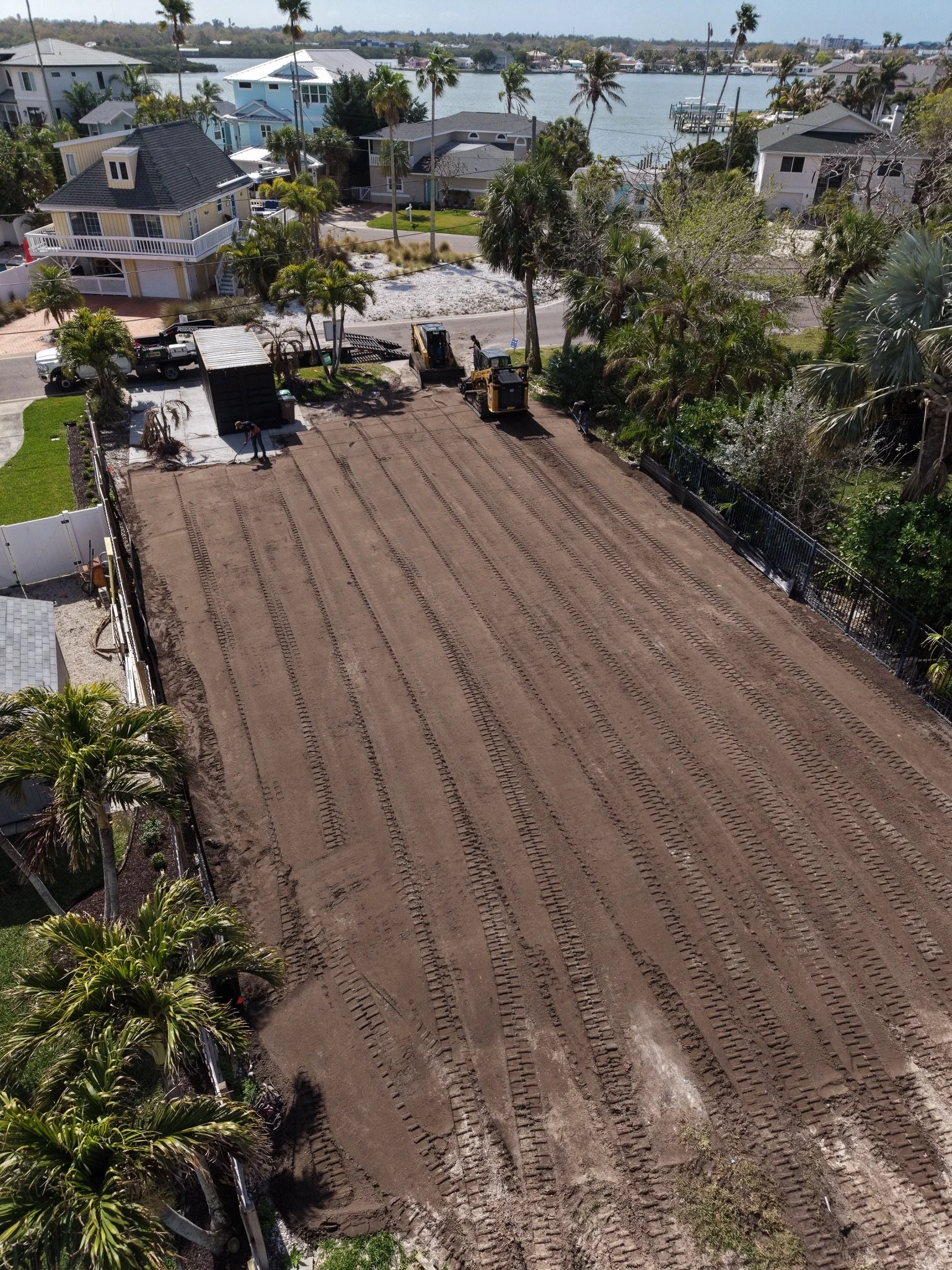
Silt fencing is one of the first protective features installed before land clearing, excavation, grading, or site preparation begins.
It helps control sediment, protect drainage areas, and separate active work zones from areas that should not be disturbed. On Florida job sites, this is especially important because loose soil can move quickly during heavy rain.
What Silt Fencing Does
Silt fencing is a temporary sediment control barrier. It is usually installed along the lower side of disturbed soil, near drainage paths, or around areas where runoff could leave the site.
Its purpose is to slow stormwater runoff and help keep loose sediment from washing into roads, ponds, wetlands, ditches, storm drains, or neighboring properties.
Silt fence does not stop water like a wall. It works by slowing water down and trapping soil before it leaves the work area.
Why Sediment Control Matters
Land clearing, excavation, grading, and demolition all disturb soil. Once soil is exposed, rain can carry it across the property.
Without sediment control, this can cause erosion, drainage issues, road mess, property damage, and compliance problems.
Proper erosion control helps:
Keep soil on the job site
Protect nearby water and drainage systems
Reduce cleanup and rework
Protect neighboring properties
Keep the project more organized
Reduce avoidable delays
The goal is simple: control the site before soil and water become a problem.
Protective Features Help Define the Work Area
Silt fencing is often used with other protective site features. These may include flagged boundaries, inlet protection, tree protection, turbidity barriers, stabilized entrances, or marked no-disturbance zones.
These features help crews understand where equipment should operate, where trucks should enter, and which areas need to be protected.
Clear boundaries reduce mistakes and help protect sensitive areas such as wetlands, drainage paths, utilities, trees, property lines, and wildlife habitat.
Protecting Burrows and Wildlife Habitat
On Florida properties, burrows can be easy to miss before work begins.
Gopher tortoises create deep burrow systems that may also be used by other animals, including eastern indigo snakes, gopher frogs, and other native species.
A burrow is not just a hole in the ground. It can be part of a larger habitat system.
Protective fencing, flagging, buffers, and careful site review help separate active work areas from burrows or other sensitive locations. This can help prevent wildlife disturbance, compliance issues, and project delays.
When Silt Fencing Is Important
Silt fencing and protective site features are commonly used before:
Land clearing
Excavation
Grading
Drainage work
Driveway installation
Demolition
Pond or shoreline work
Erosion repair
Site development
Construction access
Not every project needs the same setup. The right controls depend on the soil, slope, drainage, nearby water, and project scope.
Installation and Maintenance Matter
Silt fence only works when it is installed correctly.
It should be placed in the right location, secured with posts, trenched into the ground, and checked during the project. After heavy rain, it may need repair, cleaning, or adjustment.
A damaged or poorly placed silt fence can fail quickly.
Erosion control is not just a one-time setup. It is part of managing the site during active work.
The Main Point
Silt fencing and protective site features help protect the property before the main work begins.
They help control sediment, protect drainage areas, reduce erosion, mark sensitive zones, and keep land clearing or excavation projects moving with fewer preventable problems.
Before dirt moves, the site should be reviewed for water flow, erosion risk, access points, burrows, wetlands, trees, utilities, and areas that should not be disturbed.
Good site protection makes the work cleaner, clearer, and safer from the start.