Easement Rights: What to Know Before Property Work Begins
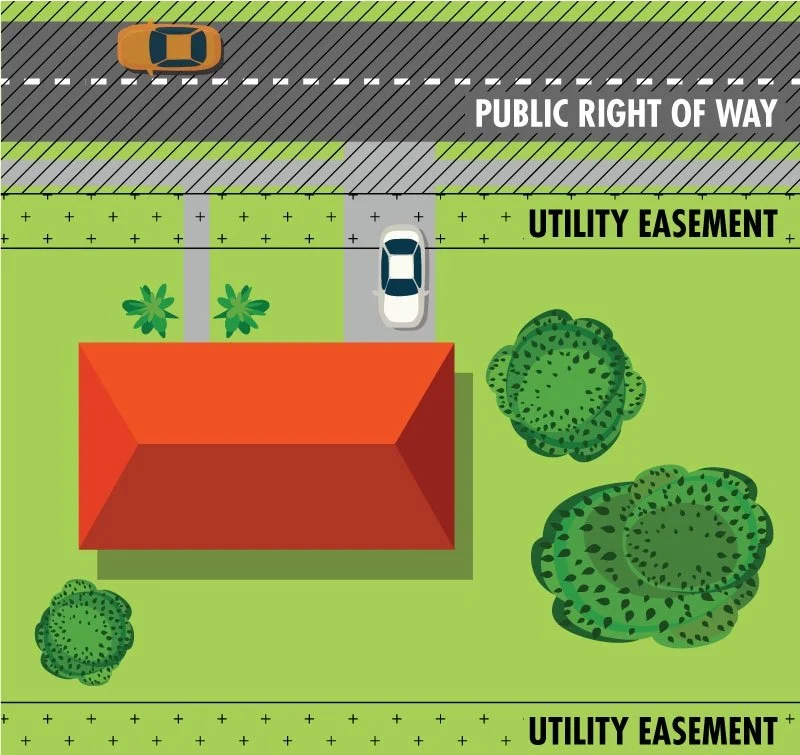
Easements can affect what work can be done on a property and who has the right to approve it. Before land clearing, grading, drainage repair, erosion control, pond work, demolition, or material placement begins, it is important to understand whether an easement is involved.
An easement is not the same as owning the land. In many cases, it gives a person, company, utility, HOA, or public agency the right to use part of a property for a specific purpose. That purpose may involve access, drainage, utilities, maintenance, stormwater, or another recorded use.
What Is an Easement?
An easement is a legal right to use part of a property for a specific reason. The property may still be owned by someone else, but another party may have rights connected to that area.
For example, an easement may allow a utility company to maintain underground lines, an HOA to manage drainage, or a neighboring property owner to reach a certain area. The details depend on the recorded documents tied to the property.
Why Easements Matter Before Work Starts
Easements matter because they can limit what can be changed. A property owner may own the land, but that does not always mean every part of the property can be cleared, graded, blocked, filled, or altered without checking the easement rights first.
Some easements may need to remain open. Others may need to stay clear for utilities, drainage, maintenance, or emergency access. Work done in the wrong area can create problems with neighbors, HOAs, utility companies, or local agencies.
Who Has the Right to Approve the Work?
This is one of the biggest questions with easements. The person who owns the land is not always the only party involved.
Depending on the easement, approval may involve a property owner, neighbor, HOA, property manager, utility provider, county office, or another recorded rights holder. In some situations, a surveyor or real estate attorney may be needed to confirm what is allowed.
Before starting work, it is best to know who has rights to the easement and whether the planned work is allowed.
What Documents Should Be Checked?
The best place to start is with the property records. Useful documents may include a deed, survey, plat, title report, HOA documents, or recorded easement agreement.
These records can help show where the easement is located, how wide it is, who benefits from it, and what purpose it serves.
If the documents are unclear, it is better to ask questions early than to start work and run into a dispute later.
Common Work Near Easements
AllJax Land Solutions often sees easement questions come up during land clearing, grading, drainage repair, erosion control, pond access, demolition, debris removal, and utility-area work.
These projects may seem simple, but easements can affect how the work is planned. Equipment access, material placement, drainage flow, property lines, and protected areas all need to be considered before work begins.
Do Not Assume Permission
One of the most common mistakes is assuming that an area can be changed because it is on the property or has been used that way before.
Easement rights are based on what is legally recorded or otherwise established. Before clearing trees, changing the grade, filling low areas, placing material, or altering drainage, it is important to confirm what rights exist and what limits may apply.
How AllJax Can Help
AllJax Land Solutions can help with the land and site work once the property owner, HOA, manager, or responsible party has confirmed the easement rights and approvals.
Our team can assist with clearing, grading, drainage correction, erosion repair, pond work, demolition access, debris removal, and material placement while working around the confirmed property requirements.