Florida Invasive Plants and How to Remove Them
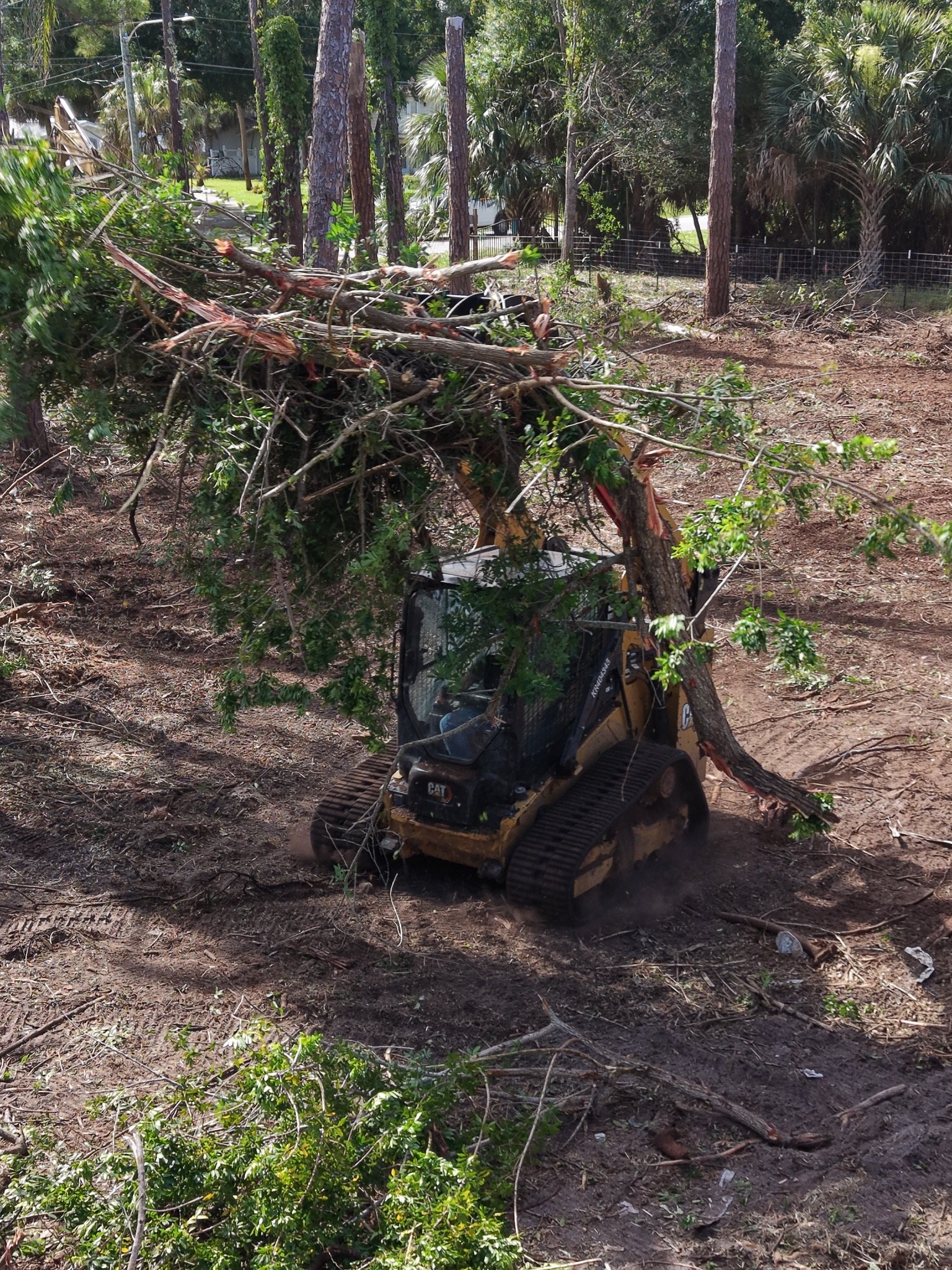
Invasive plants are a serious problem across Florida properties. They spread quickly, crowd out native vegetation, block access, affect drainage, and can take over ponds, ditches, fence lines, wooded lots, and undeveloped land.
For homeowners, HOAs, farms, commercial properties, and small job sites, invasive plant growth is more than a landscaping issue. Left alone, it can make land harder to maintain, reduce usable space, interfere with stormwater flow, and create dense vegetation that becomes more difficult to remove over time.
AllJax Land Solutions provides mechanical invasive plant removal, land clearing, brush clearing, pond cleanout, ditch clearing, and vegetation removal services across West Central Florida.
What Are Invasive Plants?
Invasive plants are non-native plants that spread aggressively and cause damage to the surrounding environment. In Florida, many invasive species thrive because of the warm climate, long growing season, heavy rainfall, and disturbed soil conditions.
These plants often grow faster than native vegetation. They can produce large amounts of seed, spread through roots or runners, climb over existing trees, or form dense mats in water. Once established, they can be difficult to control without proper equipment and a clear removal plan.
Why Invasive Plants Are a Problem on Florida Properties
Invasive plants can affect both dry land and wet areas. On land, they may create thick brush, block access, take over fence lines, and crowd out native trees and grasses. Around ponds and drainage systems, they can restrict water flow, collect debris, and contribute to maintenance problems.
Common problems caused by invasive plant growth include:
Reduced access to parts of the property
Overgrown fence lines and wooded edges
Blocked ditches, swales, and drainage paths
Dense underbrush around homes, barns, roads, and open land
Reduced pond capacity and shoreline access
More difficult mowing, clearing, and long-term maintenance
Competition with native plants and desirable vegetation
The longer invasive growth is left untreated, the more established the root systems and seed sources become. Early removal is usually easier, cleaner, and more cost-effective than waiting until the area is fully overgrown.
Common Invasive Trees in Florida
Some invasive trees spread aggressively across Florida properties. They often grow in disturbed soil, wooded lots, fence lines, drainage areas, and open land that has not been maintained.
Common invasive trees in Florida include:
Brazilian pepper
Melaleuca, also called paperbark tree
Camphor tree
Chinese tallow
Earleaf acacia
Brazilian pepper is one of the most recognized invasive trees in Florida. It can form thick clusters, spread along property edges, and quickly overtake open areas. Melaleuca and Chinese tallow can also create dense stands that make land difficult to access or maintain.
Mechanical clearing is often needed when invasive trees become too large, too dense, or too established for simple hand removal. Depending on the site, equipment may be used to cut, mulch, remove, or haul away invasive growth.
Common Invasive Shrubs and Vines
Invasive shrubs and vines can be especially difficult because they often grow through existing vegetation. They climb, spread, and create thick underbrush that can hide debris, block access, and choke out native plants.
Common invasive shrubs and vines in Florida include:
Coral ardisia
Chinese privet
Non-native lantana varieties
Old World climbing fern
Air potato vine
These plants are often found along wooded edges, fence lines, vacant lots, drainage areas, and unmanaged property boundaries. Many spread through seeds, birds, underground growth, or climbing vines that move into nearby trees and brush.
When invasive vines and shrubs become dense, mechanical brush clearing or forestry mulching can help open the area back up. This makes the property easier to inspect, mow, maintain, and use.
Invasive Aquatic and Wetland Plants
Ponds, retention basins, canals, ditches, wetlands, and shoreline areas are especially vulnerable to invasive aquatic plants. These plants can spread across the surface of the water, grow under the waterline, or take over wet soil along the banks.
Common aquatic and wetland invaders in Florida include:
Hydrilla
Water hyacinth
Water lettuce
Peruvian primrose-willow
Torpedo grass
These plants can affect drainage, water movement, wildlife habitat, and recreational use. In ponds and retention areas, heavy aquatic growth can block sunlight, collect debris, and reduce open water.
Around shorelines and ditches, invasive wetland vegetation can make maintenance difficult and limit access for mowing, inspections, and drainage work. Depending on the site, removal may involve mechanical vegetation clearing, pond edge cleanout, ditch clearing, muck removal, or debris hauling.
Some wetland, pond, or shoreline areas may require review before work begins. The correct approach depends on the property, water conditions, access, and whether the area connects to a regulated drainage or wetland system.
How Invasive Plants Are Removed
The best removal method depends on the plant type, location, property conditions, and how established the growth has become. Small plants may be manageable by hand, but larger areas usually require equipment.
Common removal methods include:
Mechanical clearing
Forestry mulching
Brush cutting
Root and stump removal when needed
Pond and ditch cleanout
Muck and debris removal
Hauling away cleared vegetation
Opening access paths for future maintenance
Mechanical removal is often the right fit when invasive plants have taken over larger sections of land, blocked access, or become too dense for normal maintenance. It is especially useful for overgrown lots, fence lines, wooded edges, drainage ditches, pond banks, and properties that need to be opened back up for use.
Why Mechanical Removal Matters
Mechanical removal helps restore control of the property. Instead of only trimming the visible growth, equipment can remove dense vegetation, open access, and prepare the area for follow-up maintenance.
For landowners and property managers, this can help:
Improve visibility across the property
Restore access to overgrown areas
Support better drainage and water flow
Clear fence lines, ditches, and pond edges
Reduce future maintenance problems
Prepare the land for mowing, grading, cleanup, or additional site work
Invasive plant removal is not always a one-time fix. Some species can regrow if roots, seeds, or runners remain. A good removal plan should focus on clearing the problem area, improving access, and making future maintenance easier.
Invasive Plant Removal for Florida Properties
AllJax Land Solutions helps homeowners, HOAs, farms, ranches, contractors, and commercial property owners remove invasive vegetation and regain control of overgrown land.
Our services can help with:
Brazilian pepper removal
Overgrown lot clearing
Brush and vine removal
Fence line clearing
Pond bank clearing
Ditch and swale cleanout
Drainage area clearing
Forestry mulching
Vegetation hauling and debris removal
Site cleanup after invasive growth removal
Whether the issue is thick brush, invasive trees, clogged ditches, overgrown pond edges, or vegetation blocking access, the right equipment can make the work cleaner, faster, and more effective.
Take Back Control of Your Property
Invasive plants spread quickly, and the longer they are left untreated, the more difficult they become to remove. With proper equipment and experience, overgrown areas can be cleared, access can be restored, and the property can become easier to maintain.
AllJax Land Solutions provides mechanical invasive plant removal and land clearing services across West Central Florida. If invasive vegetation is taking over your property, pond, ditch, fence line, or wooded area, AllJax can help clear the growth and restore usable space.