What Is Selective Demolition?
Selective demolition is the controlled removal of specific parts of a building or property without demolishing the entire structure.
It is commonly used during renovations, repairs and property improvements where certain materials must be removed while the surrounding structure remains intact.
What Does Selective Demolition Include?
Selective demolition may include:
Kitchen and bathroom demolition
Interior wall removal
Full or partial interior gut-outs
Flooring, tile and carpet removal
Drywall and ceiling removal
Concrete cutting
Concrete slab removal
Flood cuts and water-damaged materials
Patios, decks and exterior additions
Sheds and smaller structures
Individual structural components
Structural walls require additional planning because removing them can affect the building. Utilities, permits and engineering requirements should be identified before work begins.
Selective Demolition Versus a Full Demolition
Full demolition removes the entire building. Selective demolition targets only the materials or sections included in the renovation plan.
Selective work often requires greater precision. The contractor may need to protect nearby walls, flooring, utilities and finished areas while controlling dust and containing debris.
This makes selective demolition useful for homeowners, contractors and property managers renovating an existing space instead of removing the entire structure.
Selective Demolition After a House Fire
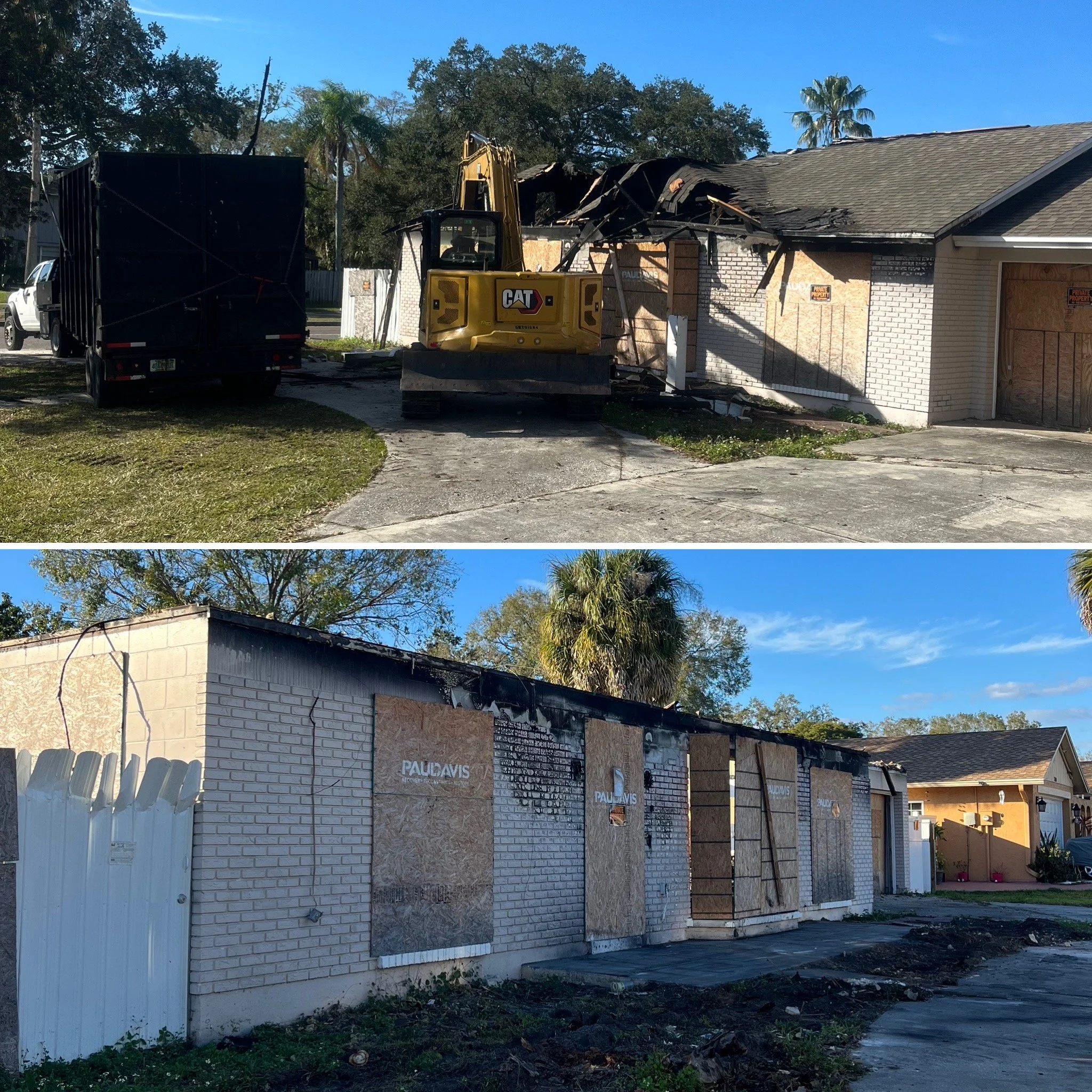
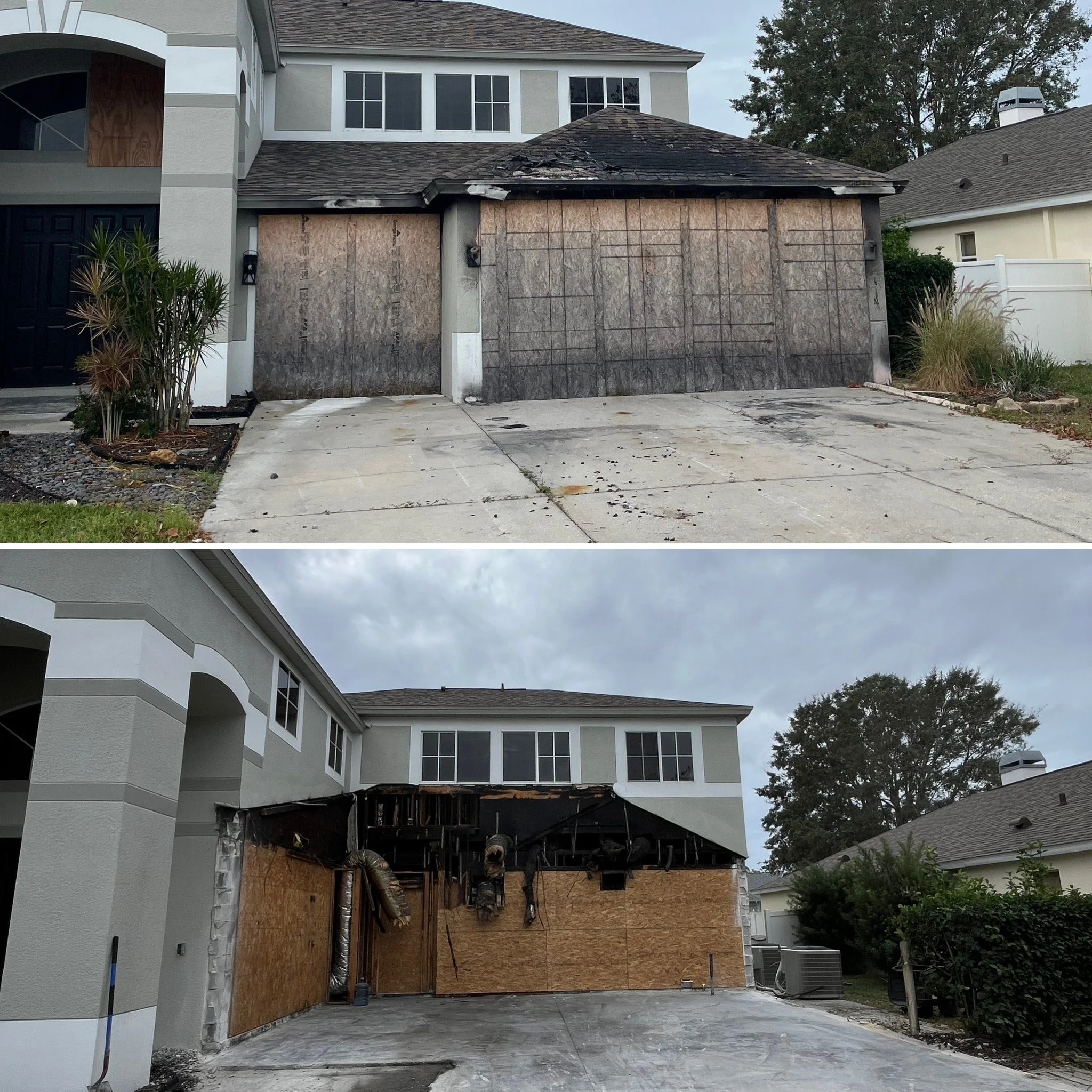
After a house fire, selective demolition can remove burned walls, roofing, flooring and other damaged sections while preserving parts of the home that remain structurally sound. The affected materials are carefully separated, loaded and hauled away so the exposed area can be inspected and prepared for reconstruction. Structural stability, utilities, smoke damage and fire-department or permitting requirements should be evaluated before demolition begins.
Flood Cuts and Water-Damage Demolition
Selective demolition is also used after flooding or water damage.
A flood cut removes the damaged lower section of drywall and insulation while leaving unaffected portions of the wall in place. Flooring, cabinets and other materials may also need to be removed depending on the extent of the damage.
The objective is to expose the affected area so it can be evaluated, dried and prepared for repairs.
Concrete Cutting and Slab Removal
Selective concrete demolition may be needed to remove:
Damaged slab sections
Equipment pads
Walkways and patios
Steps and footings
Concrete around utility repairs
Sections needed for new plumbing or construction
Concrete cutting helps define the removal area and limit unnecessary damage to the surrounding slab.
Debris Hauling and Site Cleanup
Demolition is not complete until the removed material is loaded and transported from the property.
For Florida hauling and demo projects, the debris may include concrete, wood, drywall, flooring, metal and damaged building materials. Disposal costs depend on the material, total volume, equipment access and number of loads.
A selective demolition estimate should clearly state whether loading, debris hauling, disposal fees and final site cleanup are included.
Planning a Selective Demolition Project
Before work begins, the contractor should know:
Exactly what needs to be removed
What must remain protected
Whether utilities are present
Whether structural components are involved
How equipment will access the work area
How debris will be removed
What condition the space should be left in
AllJax Land Solutions provides selective demolition, concrete removal, debris hauling and site cleanup across West Central Florida. We can evaluate the project and coordinate the removal needed to prepare the property for renovation or its next use.