What Is a Skid Steer?
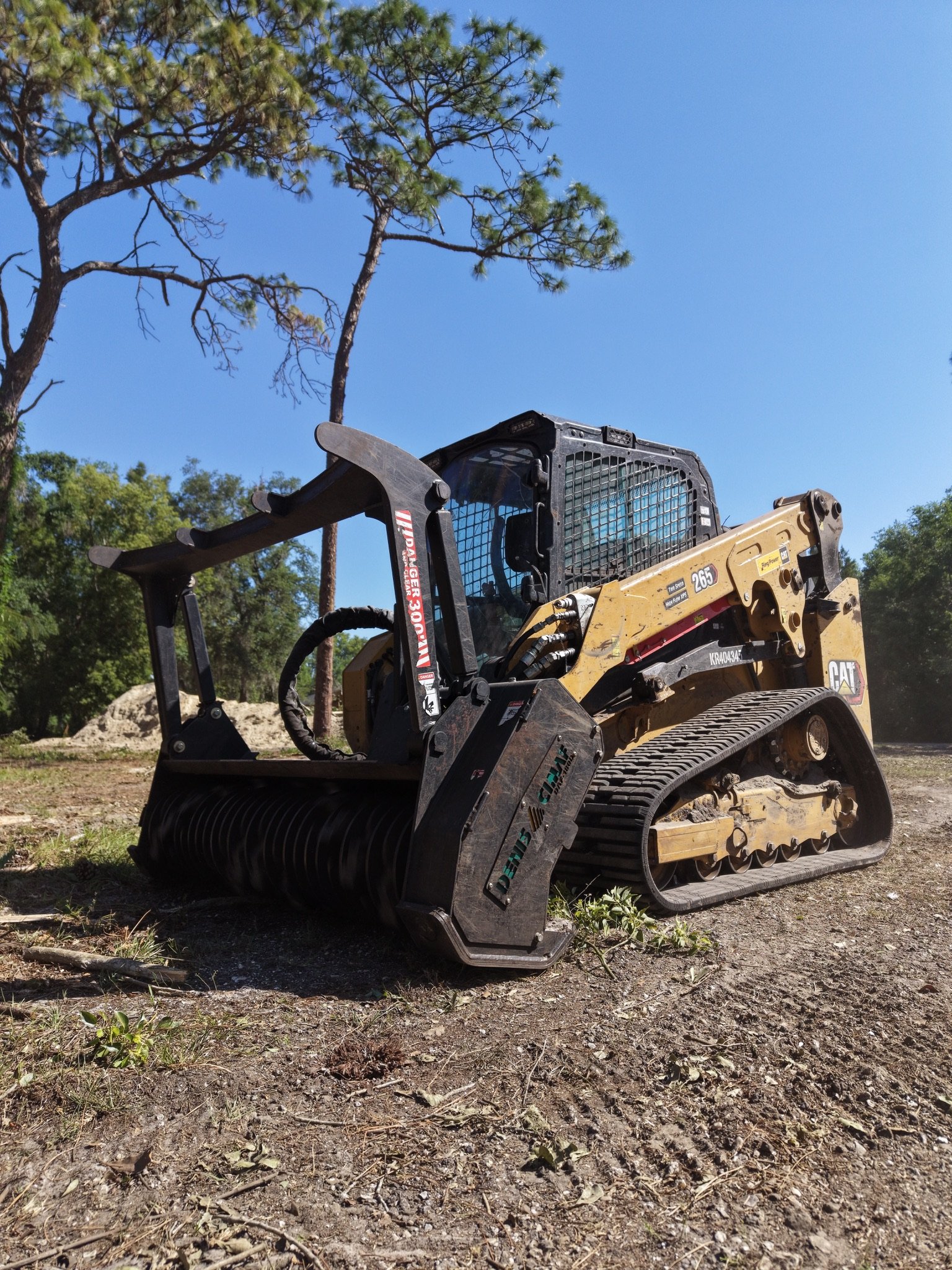
A skid steer is a compact, highly maneuverable piece of construction equipment used for digging, grading, clearing, lifting, hauling, and moving materials. Its small size and ability to turn within a tight area make it useful on residential properties, commercial sites, farms, construction projects, and other locations where larger equipment may not fit.
How Does a Skid Steer Work?
A skid steer has lift arms that connect to a bucket or another attachment at the front of the machine. Unlike a vehicle that turns by moving its front wheels, a skid steer turns by operating the wheels on each side at different speeds.
This turning method allows the machine to pivot within a very small area. That maneuverability is one of the main reasons skid steers are commonly used around homes, buildings, fences, driveways, and other confined spaces.
What Is a Skid Steer Used For?
Skid steers can perform many different jobs depending on the attachment being used. Common skid steer services include:
Moving dirt, gravel, mulch, sand, and other materials
Grading and leveling property
Removing brush, roots, and small vegetation
Cleaning up demolition debris
Preparing driveways, building pads, and access areas
Digging shallow trenches or drainage areas
Loading dump trucks and dumpsters
Spreading soil, rock, or asphalt millings
Removing small stumps
Cleaning up after land clearing or excavation work
Because one machine can use many attachments, a skid steer can often complete several parts of the same project without requiring multiple pieces of equipment.
What Attachments Can Be Used on a Skid Steer?
A standard bucket is the most recognizable skid steer attachment, but it is only one of many options.
Depending on the project, a skid steer may be equipped with:
Grapple buckets for brush, logs, and debris
Root rakes for vegetation and surface cleanup
Augers for digging holes
Trenchers for drainage or utility work
Harley rakes and grading attachments
Pallet forks for lifting materials
Hydraulic breakers for concrete demolition
Brush cutters for overgrown vegetation
Stump grinders
Soil conditioners
The correct attachment can turn a skid steer from a material-handling machine into a grading, clearing, demolition, or excavation tool.
What Is the Difference Between a Skid Steer and a Compact Track Loader?
A traditional skid steer moves on rubber tires. A compact track loader is similar in size and operation but moves on tracks instead of wheels.
Wheeled skid steers generally work well on firm, stable surfaces and can move quickly around paved or compacted areas. Compact track loaders usually provide better traction and distribute their weight across a larger surface area, making them useful in soft soil, sand, mud, and uneven ground.
People often use the term “skid steer” when referring to both machines, but the ground conditions and type of work determine which option is better for a particular job.
Can a Skid Steer Grade a Yard or Property?
Yes. Skid steers are frequently used for rough grading, spreading fill dirt, leveling uneven ground, and preparing areas for sod, gravel, concrete, driveways, or drainage improvements.
However, proper grading requires more than simply making the ground appear flat. The operator must account for slope, water movement, soil conditions, compaction, and nearby structures. Incorrect grading can direct water toward a home, create low areas, or cause erosion.
Can a Skid Steer Clear Land?
A skid steer can clear brush, small trees, roots, vines, and other vegetation, especially when equipped with a grapple, root rake, brush cutter, or forestry attachment.
For heavily wooded properties or larger trees, additional equipment may be needed. Excavators, forestry mulchers, bulldozers, and larger loaders may be more effective depending on the vegetation, acreage, and final use of the property.
Can a Skid Steer Damage a Yard?
Skid steers can disturb grass, soil, irrigation lines, septic components, and other underground features if the site is not properly evaluated. Wheeled machines can also leave tire marks or tear the ground while turning.
An experienced operator will consider access, soil conditions, underground utilities, drainage, and the finished condition the property owner expects. Protective mats, tracked equipment, or a different access route may be used when reducing surface damage is important.
Is a Skid Steer the Right Machine for Every Project?
Skid steers are versatile, but they are not the right machine for every job. Deep excavation, large tree removal, major demolition, heavy lifting, and large-scale earthmoving may require an excavator, bulldozer, loader, or other specialized equipment.
The best machine depends on the amount of material being moved, ground conditions, access limitations, required digging depth, and the final project goals.
Skid Steer Services in West Central Florida
AllJax Land Solutions uses skid steers and other construction equipment for grading, land clearing, debris removal, excavation, drainage work, demolition cleanup, material placement, and property improvement projects throughout West Central Florida.
Choosing the right equipment and attachment helps complete the work efficiently while reducing unnecessary disturbance to the surrounding property.