What Is an Excavator?
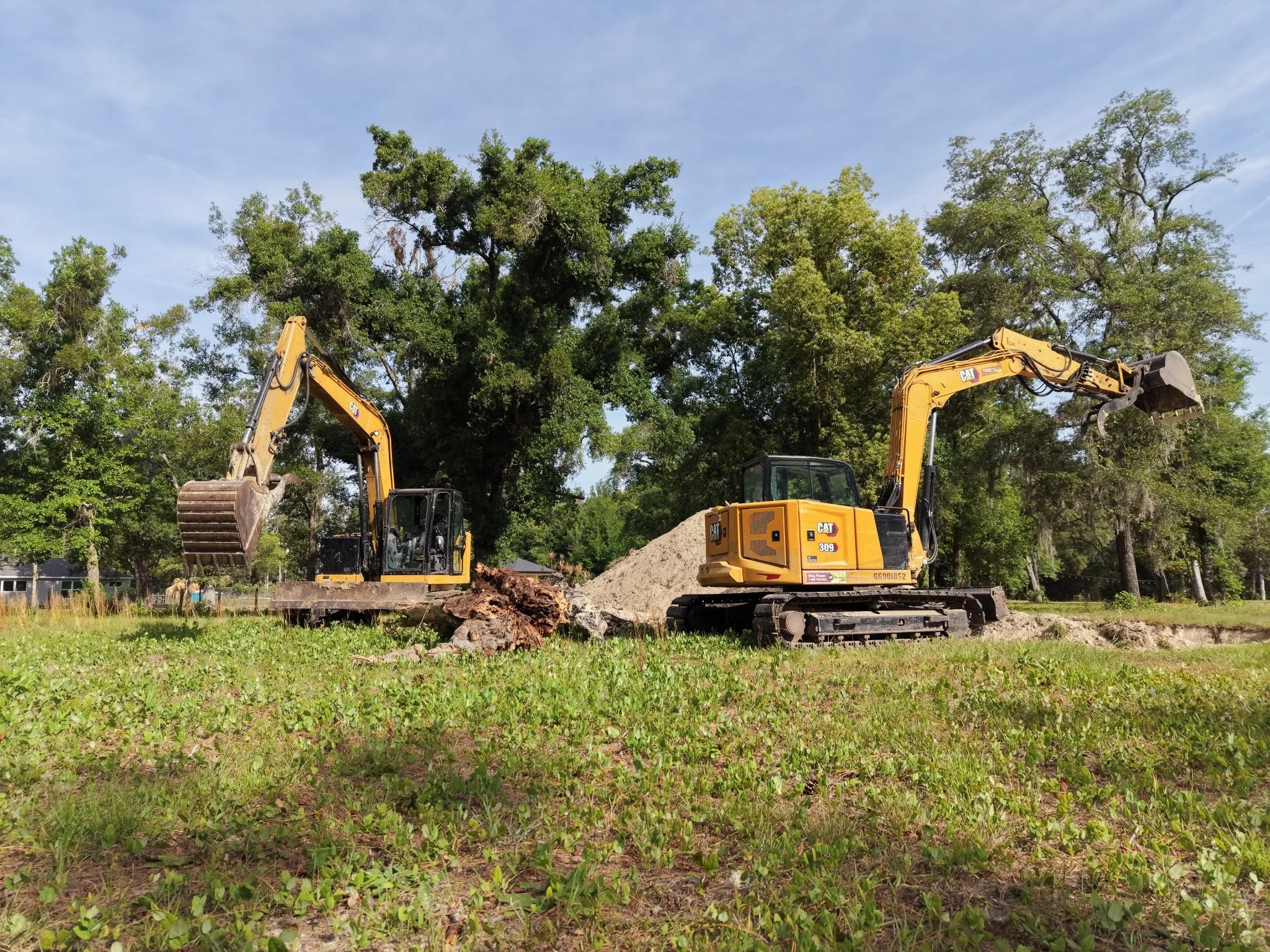
An excavator is a piece of heavy construction equipment primarily used for digging, lifting, demolition, land clearing, grading, and moving heavy materials. It consists of a cab, rotating upper structure, boom, arm, and attachment, typically mounted on tracks.
Because the cab can rotate 360 degrees, an excavator can dig, lift, and place material without constantly repositioning the entire machine.
How Does an Excavator Work?
An excavator uses a hydraulic system to control its boom, arm, bucket, and other attachments. The operator controls the machine from inside the cab and can precisely dig, lift, swing, and place materials.
Most excavators operate on tracks, which provide stability and traction on dirt, mud, slopes, and uneven ground. Wheeled excavators are also available for projects where faster travel on firm surfaces is useful.
What Is an Excavator Used For?
Excavators are used for a wide range of construction and property improvement projects, including:
Digging foundations and building pads
Excavating ponds, ditches, and drainage areas
Removing trees, stumps, roots, and vegetation
Demolishing houses, pools, concrete, and other structures
Installing drainage pipes and underground utilities
Grading slopes and embankments
Loading dirt, debris, and demolition material
Removing sediment and muck
Placing riprap and erosion-control materials
Clearing land and preparing construction sites
The size of the excavator and the attachment being used determine the type and scale of work it can perform.
What Attachments Can Be Used on an Excavator?
Excavators can use more than a standard digging bucket. Different attachments allow the same machine to perform several types of work.
Common excavator attachments include:
Digging buckets
Grading buckets
Hydraulic thumbs
Grapples
Brush cutters
Mulching heads
Hydraulic breakers
Augers
Compaction wheels
Rippers
Concrete crushers
For example, a hydraulic thumb allows the excavator to grab logs, concrete, brush, and demolition debris. A grading bucket can shape slopes, clean ditches, and smooth excavated areas.
What Is the Difference Between an Excavator and a Skid Steer?
An excavator is primarily designed for digging, lifting, demolition, and reaching below or above the machine. A skid steer is generally better suited for moving material, grading smaller areas, cleaning up debris, and working in confined spaces.
Excavators usually provide greater digging depth, lifting capacity, reach, and power. Skid steers are typically faster and more maneuverable when moving around a smaller job site.
The two machines are often used together. An excavator may dig or remove material while a skid steer moves, spreads, or loads it.
Can an Excavator Remove Trees and Stumps?
Yes. Excavators are commonly used to remove trees, stumps, and large root systems. The machine can dig around the roots, loosen the surrounding soil, and lift the stump from the ground.
The excavator size needed depends on the tree diameter, root system, soil conditions, access, and surrounding structures. Larger trees may require additional equipment or specialized tree-removal methods.
Can an Excavator Be Used for Demolition?
Excavators are frequently used for structural demolition, pool demolition, concrete removal, and debris cleanup. Attachments such as hydraulic breakers, grapples, thumbs, and concrete processors allow the machine to break apart and handle heavy materials.
Demolition work should be planned carefully to account for utilities, nearby structures, permits, debris handling, and safe equipment access.
Can an Excavator Grade Land?
An excavator can be used to shape slopes, build embankments, clean ditches, spread soil, and perform rough grading. Its long reach makes it especially useful for grading areas that are steep, wet, narrow, or difficult to access.
For large flat areas or detailed finish grading, an excavator may be combined with a skid steer, bulldozer, or another grading machine.
How Deep Can an Excavator Dig?
Excavator digging depth varies based on the machine's size, boom configuration, and attachment. Smaller excavators may dig approximately 6 to 12 feet deep, while larger machines can reach considerably deeper.
The required digging depth is only one factor when selecting equipment. Soil conditions, lifting requirements, access, underground utilities, and the amount of material being removed must also be considered.
What Is a Mini Excavator?
A mini excavator is a smaller version of a standard excavator. Mini excavators are commonly used for residential drainage, small demolition projects, utility trenches, landscaping, stump removal, and work near homes or buildings.
Their compact size allows them to enter tighter spaces and cause less disruption than larger equipment. However, they have less digging power, reach, and lifting capacity than full-size excavators.
Is an Excavator the Right Machine for Every Project?
Excavators are powerful and versatile, but they are not always the best machine for every job. Some projects may be completed more efficiently with a skid steer, bulldozer, wheel loader, forestry mulcher, or specialized equipment.
The correct machine depends on:
Digging depth
Material weight
Ground conditions
Property access
Working space
Underground utilities
Project size
Final site conditions
Choosing the correct equipment helps reduce unnecessary property disturbance and keeps the project moving efficiently.
Excavator Services in West Central Florida
AllJax Land Solutions uses excavators and other heavy equipment for land clearing, excavation, demolition, drainage work, pond and ditch cleanout, stump removal, grading, riprap installation, and site preparation throughout West Central Florida.
Each project is evaluated based on access, soil conditions, material quantities, required digging depth, and the finished result the property owner or contractor needs.