The 2-4-5 Excavation Safety Rule
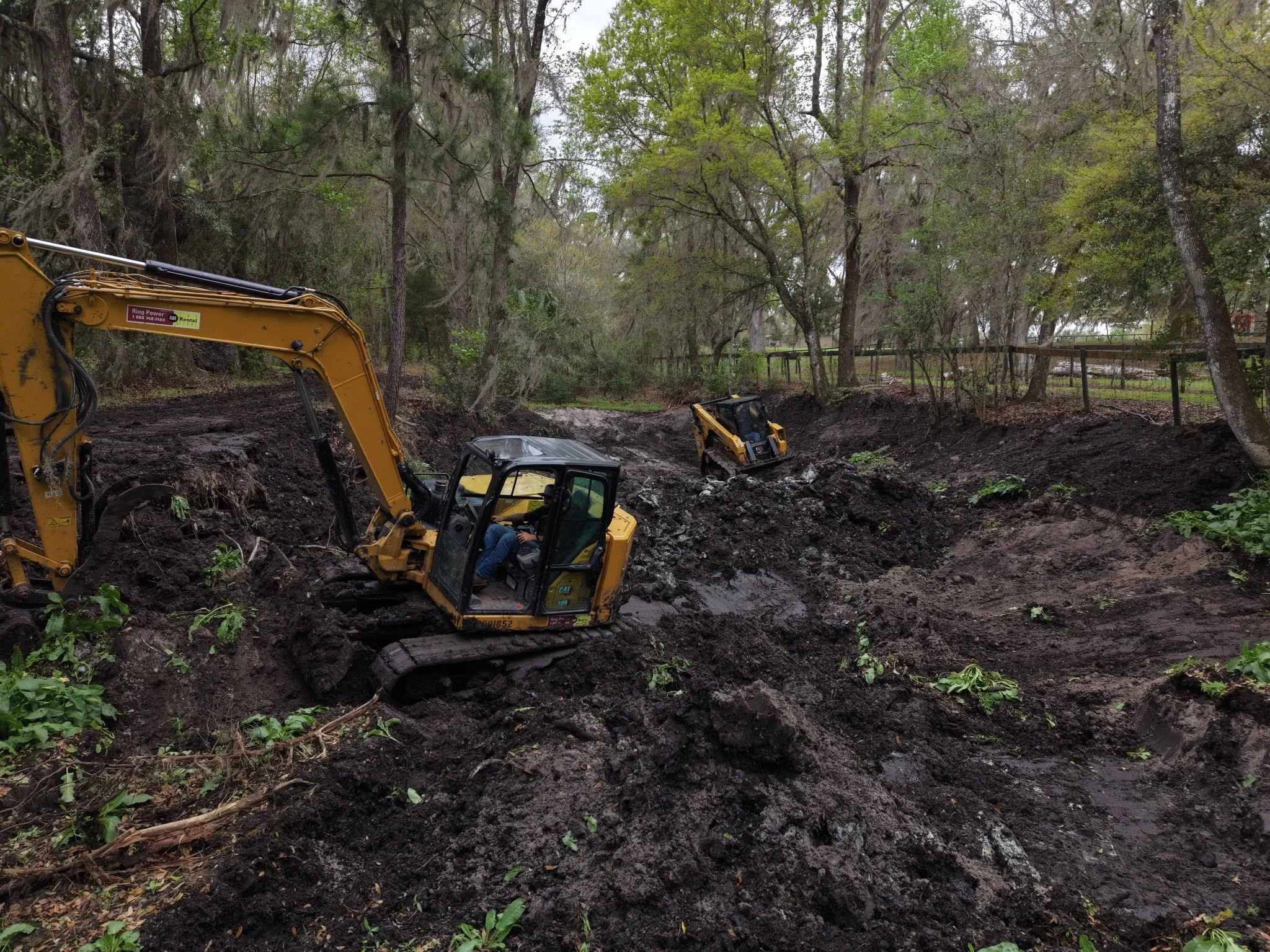
Excavation work can look simple from the outside, but safety depends on more than just digging a hole and moving dirt. Soil conditions, trench depth, equipment placement, water, nearby traffic, and the type of work being performed all affect how a job should be handled.
One easy way to remember basic excavation safety is the 2-4-5 rule.
What Is the 2-4-5 Excavation Safety Rule?
The 2-4-5 rule helps explain three major safety points on excavation and trenching jobs:
2 feet: Keep dirt, equipment, and materials at least 2 feet back from the edge.
4 feet: Provide a safe way in and out when a trench reaches 4 feet deep.
5 feet: Use cave-in protection when a trench reaches 5 feet deep, unless it is made entirely in stable rock.
2 Feet: Keep Material Back from the Edge
OSHA requires excavated material and other loads to be protected from falling or rolling into an excavation. Under OSHA 29 CFR 1926.651(j)(2), spoil piles and similar materials must be kept at least 2 feet from the edge of the excavation or otherwise secured.
This matters because material placed too close to the trench can add pressure to the wall. It can also slide, fall, or roll into the excavation. Keeping the edge clear helps reduce hazards for workers and helps keep the jobsite more organized.
4 Feet: Provide a Safe Way Out
When a trench reaches 4 feet deep, OSHA requires a safe way for workers to get in and out. According to OSHA 29 CFR 1926.651(c)(2), trenches that are 4 feet or more in depth must have a stairway, ladder, ramp, or other safe means of egress.
OSHA also requires that the exit point be close enough so workers do not have to travel more than 25 feet laterally to reach it. In simple terms, workers should not have to walk too far inside a trench to get out safely.
This is important because conditions can change fast. Water can enter the trench, soil can shift, equipment can move nearby, or the wall can begin showing signs of failure. A safe exit gives workers a way out before a dangerous situation becomes worse.
5 Feet: Use Cave-In Protection
At 5 feet deep, OSHA generally requires a protective system unless the excavation is made entirely in stable rock. OSHA 29 CFR 1926.652(a)(1) states that employees in excavations must be protected from cave-ins by an adequate protective system, with limited exceptions for stable rock or excavations less than 5 feet deep where a competent person finds no indication of a potential cave-in.
Protective systems may include sloping, benching, shoring, or using a trench box. OSHA identifies cave-ins as one of the greatest hazards in trenching and excavation work, which is why cave-in protection is one of the most important parts of excavation safety.
Why OSHA Standards Matter
OSHA excavation standards exist because trenching and excavation work can be dangerous when proper precautions are not followed. These rules are not just paperwork. They help guide real decisions on the jobsite, including where to place material, how workers enter and exit, and when protective systems are needed.
OSHA also requires inspections by a competent person. Under OSHA 29 CFR 1926.651(k)(1), excavations, adjacent areas, and protective systems must be inspected before work begins and as needed throughout the shift. Inspections are also required after rainstorms or other events that could increase hazards.
For property owners, builders, and contractors, understanding the 2-4-5 rule helps explain why excavation work should be planned carefully. A safe excavation project is not only about reaching the right depth or final grade. It is about controlling the work area, protecting workers, and preparing the site correctly.
The Simple Takeaway
The 2-4-5 rule is a simple way to remember important excavation safety basics:
Keep material at least 2 feet back.
Provide a safe way out at 4 feet deep.
Use cave-in protection at 5 feet deep.
At AllJax Land Solutions, excavation, grading, drainage, demolition, and site preparation all require attention to the conditions on the ground. Every project is different, but safety always starts with understanding the site before the equipment starts moving.