COMPACTION TESTING: Foundations come first!
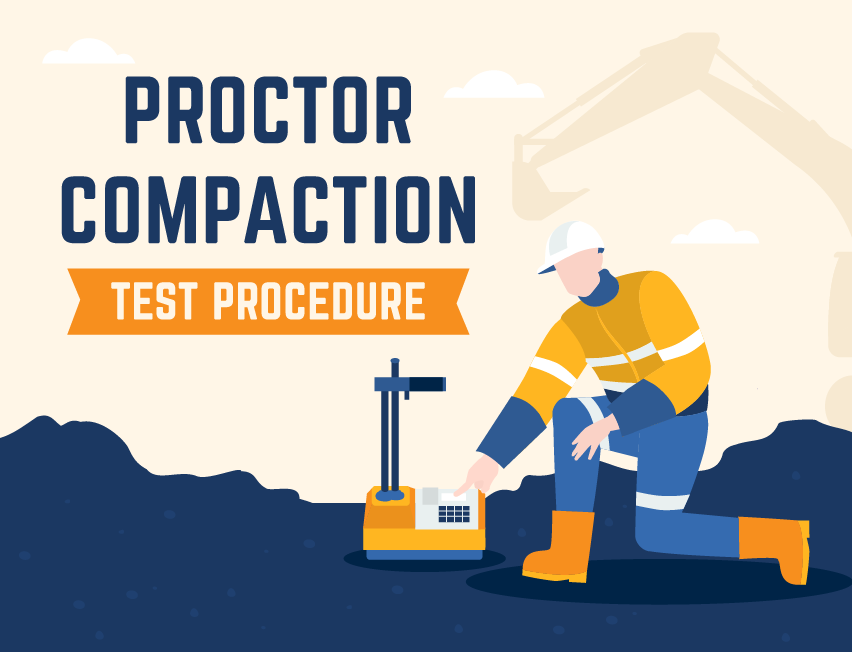
Compaction testing is one of the most important steps in site preparation, especially when a property is being prepared for a building pad, driveway, parking area, foundation, road, or any area that needs to support weight over time. Before concrete is poured or construction begins, the soil and fill material underneath need to be stable, properly compacted, and able to carry the load of the finished project.
At AllJax Land Solutions, grading and compaction are part of building a strong base. The goal is not just to make the ground look level. The goal is to create a stable working surface that will not shift, settle, hold water, or fail after construction is complete.
What Is Compaction?
Compaction is the process of pressing soil or fill material together to remove air pockets and increase density. This is usually done with heavy equipment such as rollers, compactors, skid steers, or other machines depending on the size and type of project.
When fill dirt, structural fill, road base, or other material is placed on a site, it is usually installed in layers called “lifts.” Each lift is spread, graded, moisture-adjusted if needed, and compacted before the next layer is added. This helps make sure the material is dense and stable from the bottom up.
If material is placed too thick or not compacted correctly, the surface may look finished, but the ground underneath can still be loose. That can lead to settling, cracking, drainage problems, and costly repairs later.
What Is Compaction Testing?
Compaction testing is the process of checking whether the soil or fill material has been compacted enough to meet the required density for the project. The test compares the compacted material in the field to a laboratory standard for that specific soil or fill type.
In simple terms, the test answers an important question:
Is this ground compacted enough to safely build on?
The results help confirm whether the material is ready for the next step or whether more work is needed before construction continues.
Who Performs Compaction Testing?
Compaction testing is usually performed by a third-party geotechnical testing company, engineering firm, or certified soil testing technician. In many cases, the contractor doing the grading and compaction does not perform the official test. This keeps the results independent and gives the property owner, builder, engineer, or inspector confidence that the site meets the required specifications.
How Does the Testing Process Work?
The process usually starts before field testing begins. A sample of the soil or fill material may be tested in a lab to determine its maximum dry density and ideal moisture content. This creates the standard that the field results will be compared against.
Once work begins on site, the grading contractor places and compacts the material in lifts. A testing technician then checks the compacted area using approved testing methods. One common field method uses a density gauge to measure the density and moisture content of the material in place.
The technician records the test location, depth, moisture content, dry density, and percent compaction. These findings are then compared to the required project standard.
What Do the Test Results Tell Us?
Compaction test results tell us whether the soil or fill material is dense enough and whether the moisture content is within the proper range.
The main findings usually include:
Dry density: How tightly the soil particles are packed together.
Moisture content: How much water is in the soil at the time of testing.
Percent compaction: How the field density compares to the lab-tested maximum density.
Pass or fail result: Whether the tested area meets the project requirement.
If the test passes, the work can usually continue to the next lift, next section, or next phase of construction. If the test fails, the contractor may need to make adjustments before moving forward.
What Happens If a Compaction Test Fails?
A failed compaction test does not always mean the work was done poorly. Soil conditions can change quickly depending on material type, moisture, weather, drainage, and the existing ground underneath.
If the soil is too dry, it may need water added before it can compact properly. If the soil is too wet, it may need time to dry out or may need to be mixed, stabilized, or replaced. If the lift is too thick, it may need to be reworked and compacted in thinner layers. In some cases, unsuitable material may need to be removed and replaced with better structural fill.
Why Compaction Testing Is Important
Compaction testing protects the long-term stability of a project. Without proper compaction, soil can settle unevenly after construction. This can cause cracked concrete, foundation movement, low spots, drainage issues, failed driveways, and unstable surfaces.
For building pads, parking areas, roads, driveways, and structural fill areas, what happens below the surface is just as important as what is visible on top. A site can look smooth and level but still fail if the material underneath was not compacted correctly.
Building From the Ground Up
Good construction starts with good site preparation. Clearing, grading, fill placement, moisture control, and compaction all work together to create a stable base. Compaction testing adds another layer of quality control by confirming that the work meets the required standard.
At AllJax Land Solutions, we understand that the strength of a finished project depends on the work done before construction begins. Proper grading and compaction help create a stronger, safer, and longer-lasting result from the ground up.