
Built around the property · St. Petersburg
Ditch Clearing in St. Petersburg, FL
A ditch only works when water can reach it, move through it and leave it. Vegetation, sediment, collapsed side slopes, blocked culverts and lost grade can all restrict flow. In St. Petersburg, AllJax approaches that work for communities, commercial property managers, agricultural owners, contractors, acreage owners and residential customers with meaningful drainage corridors without treating every property like the same machine job.
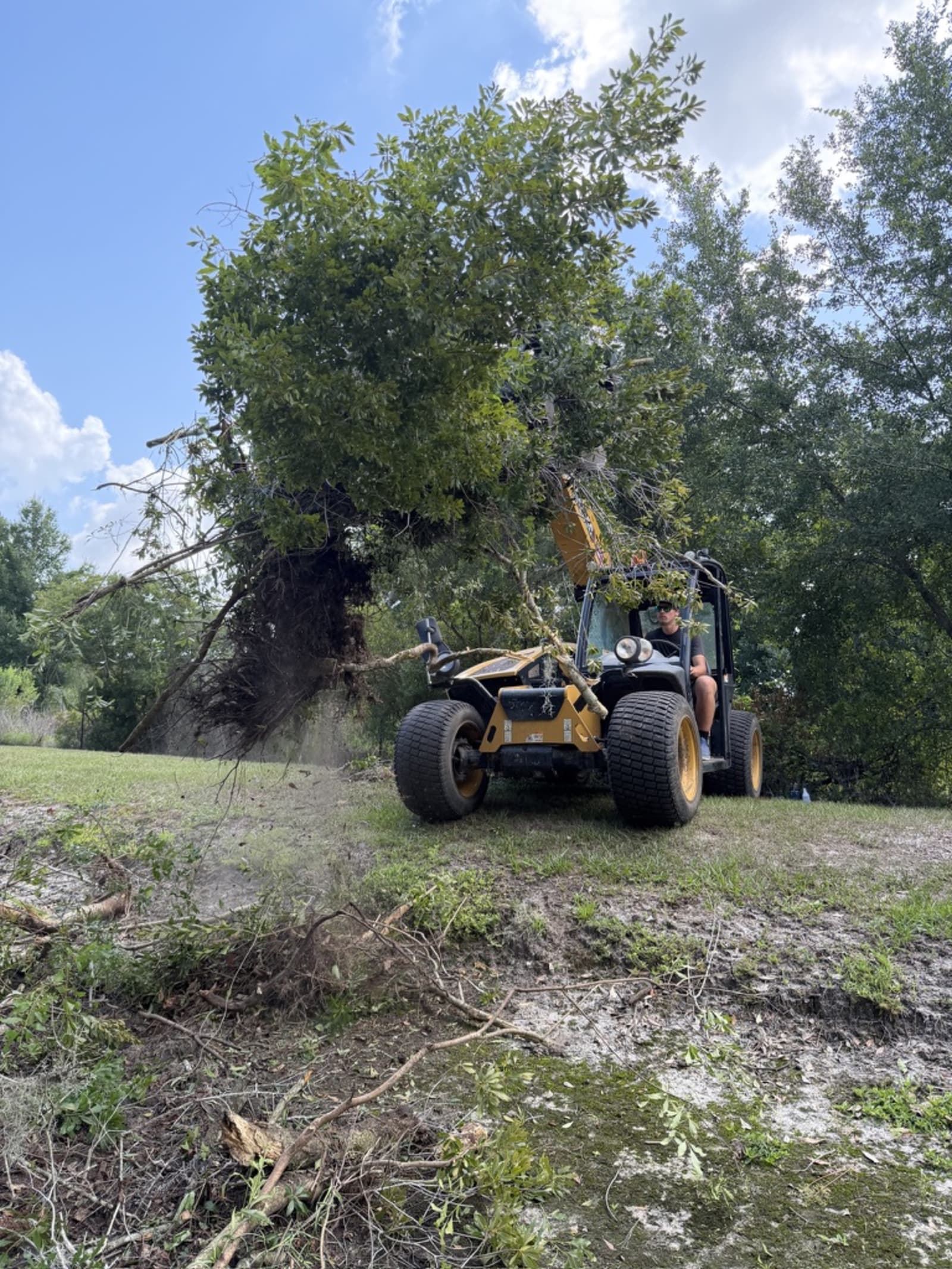
Project fit: commercial and institutional property, HOA and community property, substantial residential sites and coastal and drainage-adjacent property. Residential work remains welcome; scope, access, complexity and the finished result determine the project.
Where this service earns its keep
Match the work to the actual problem.
The same service name can describe very different projects. The goal is to define what the site needs to do when AllJax is finished—not simply which machine shows up first.
Vegetation removal
Clear brush and heavy growth that physically blocks access or reduces the open flow area of the ditch.
Sediment removal
Excavate accumulated soil, silt and debris that have raised the ditch bottom and reduced capacity.
Ditch reshaping
Restore side slopes or bottom grade where erosion, settlement or repeated maintenance has changed the original section.
Culvert & outfall access
Open the areas around pipes, crossings and discharge points so blockages and downstream conditions can be evaluated.
A decision that changes the scope
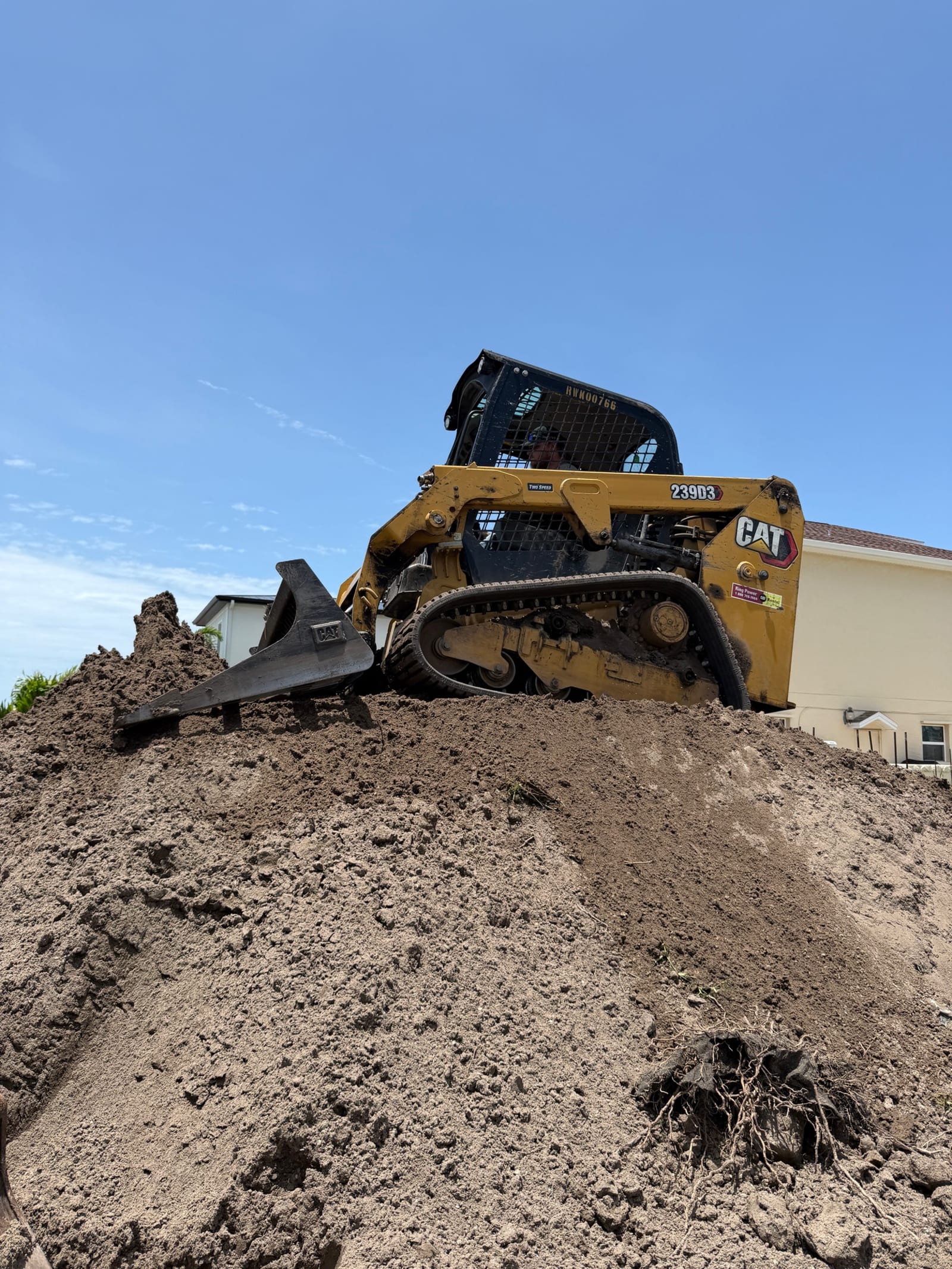
Clearing a ditch and regrading a ditch are different levels of work.
Clearing & cleanout
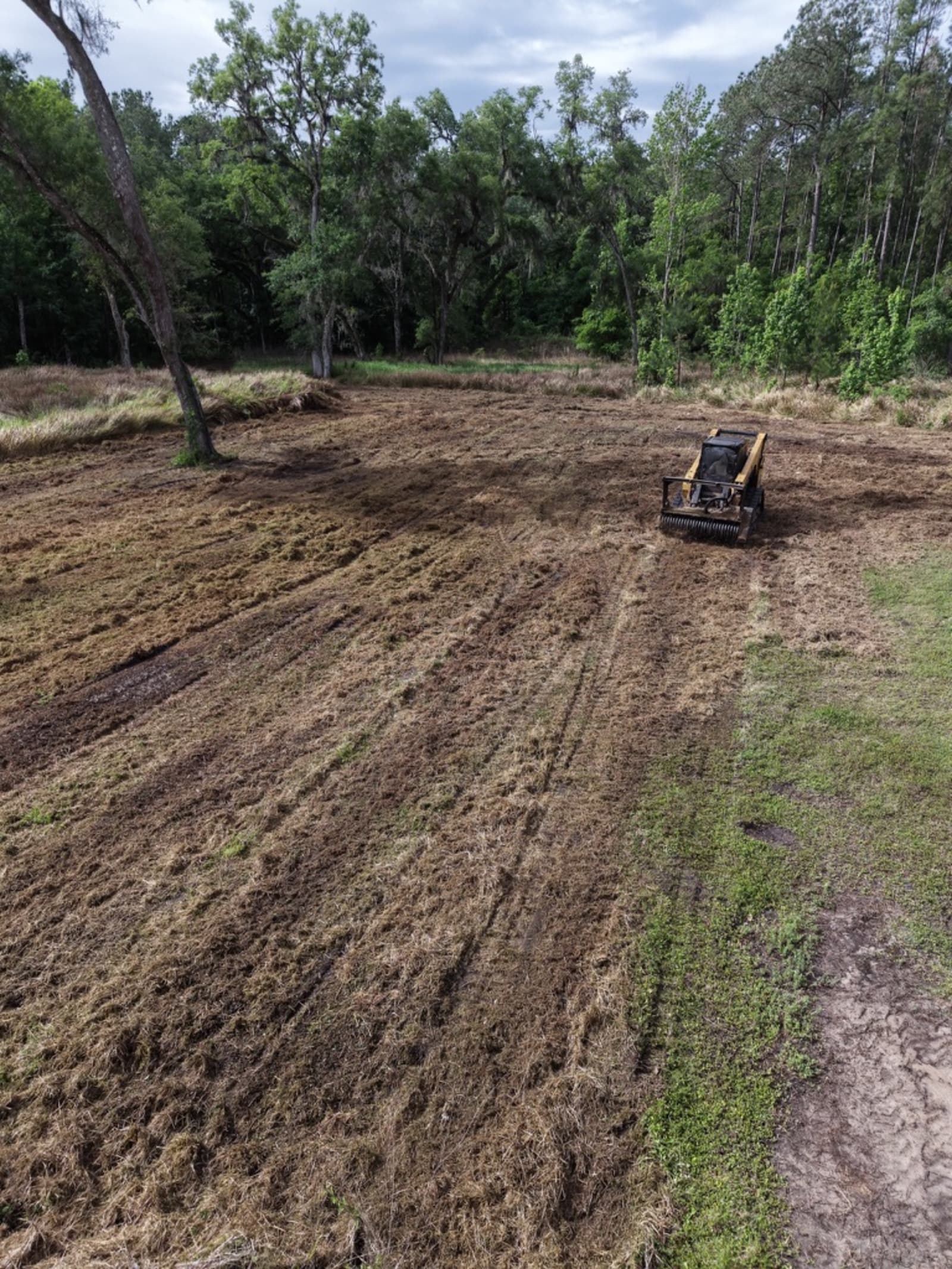
Removes vegetation, debris and accumulated material when the ditch alignment and grade are still generally functional.
Regrading & reconstruction
Reshapes the ditch when the bottom has lost fall, side slopes have failed or the system needs more than a cleanout to move water correctly.
Pinellas County
What matters on St. Petersburg properties
St. Petersburg combines dense developed property with coastal drainage and limited staging room on many sites. Existing structures, pavement, utilities and stormwater features can make access and water movement as important as the earthwork itself.
Pinellas County describes stormwater as a connected system of storm drains, swales, ditches, pipes and retention or detention ponds. On developed property, grading and drainage work needs to respect where that system already moves water.
For ditch clearing, that means the work area, access, existing drainage, limits of disturbance and the finished use should be clear before the scope is finalized.
Planning reference: Pinellas County Stormwater Management. Project-specific permit and engineering requirements should always be confirmed from the current plans and local authority.
Scope it correctly
What changes the scope
The section that holds water, backs up or no longer connects cleanly to the outlet.
How much material is physically reducing the open ditch section.
Pipes, driveways and access points that may control the water level.
Room to excavate, stage removed material and haul material if it cannot stay on site.
Useful answers before the quote
Questions worth answering first
Can you clear an overgrown drainage ditch?
How do I know if the ditch needs to be regraded?
Can ditch clearing be combined with grading or culvert work?
St. Petersburg project review
Send the project, not just a service name.
Send the property location, photos looking both directions along the ditch, approximate length of the affected section and where the water is supposed to discharge. Photos taken after rain are useful when the problem is intermittent.