
Scope before machine time · Clermont
Erosion Control in Clermont, FL
Erosion control is about keeping disturbed soil and runoff where they belong while a site is active—or stabilizing an area that is already washing out. In Clermont, AllJax approaches that work for contractors, builders, developers, HOAs, commercial property managers and property owners dealing with substantial drainage or stabilization work without treating every property like the same machine job.
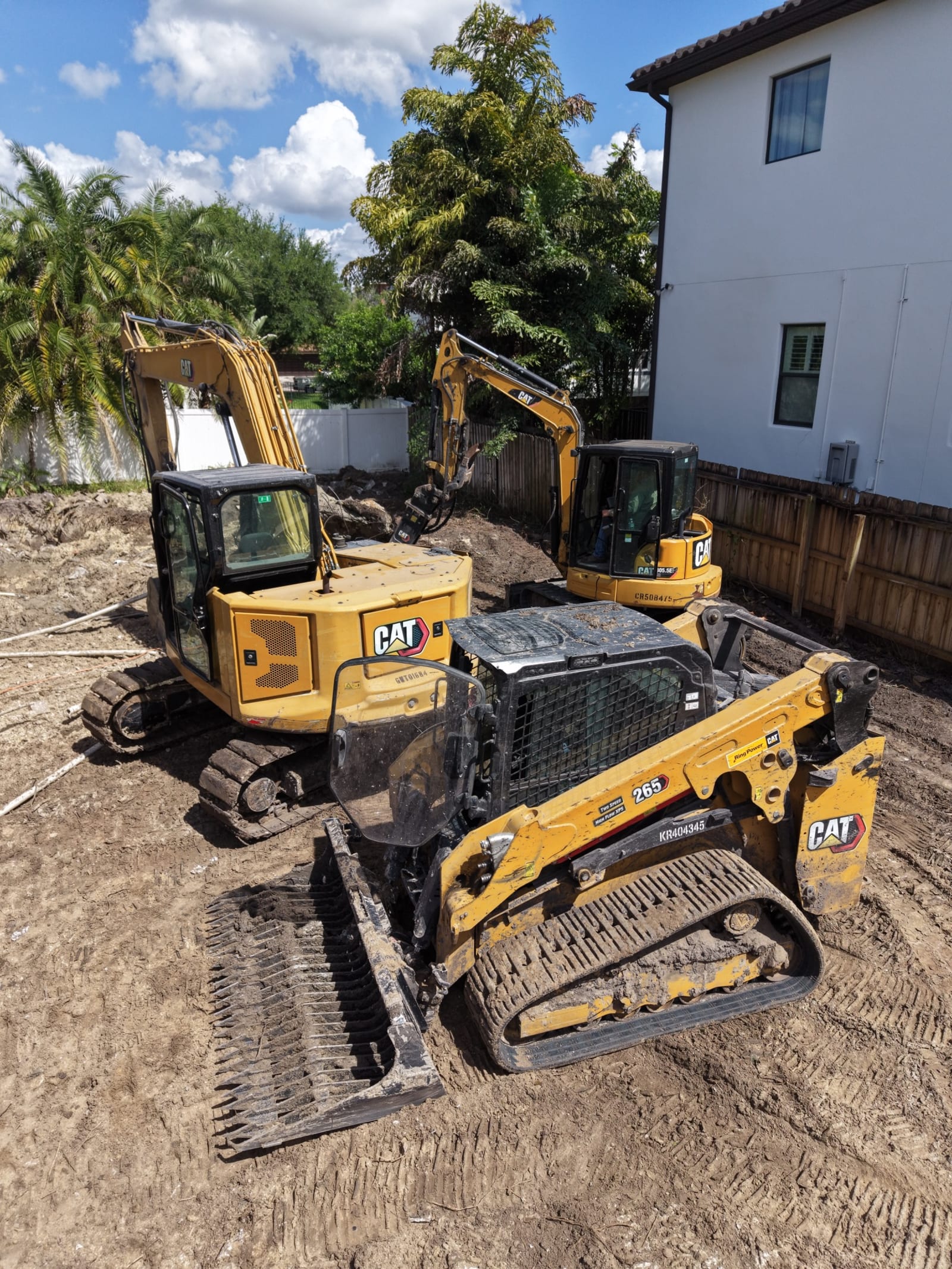
Project fit: builders and developers, commercial sites, larger residential property and lake and drainage-adjacent sites. Residential work remains welcome; scope, access, complexity and the finished result determine the project.
Where this service earns its keep
Match the work to the actual problem.
The same service name can describe very different projects. The goal is to define what the site needs to do when AllJax is finished—not simply which machine shows up first.
Active construction sites
Silt fence, construction entrances, inlet protection and temporary stabilization help contain sediment while clearing, grading or excavation is underway.
Ponds & drainage areas
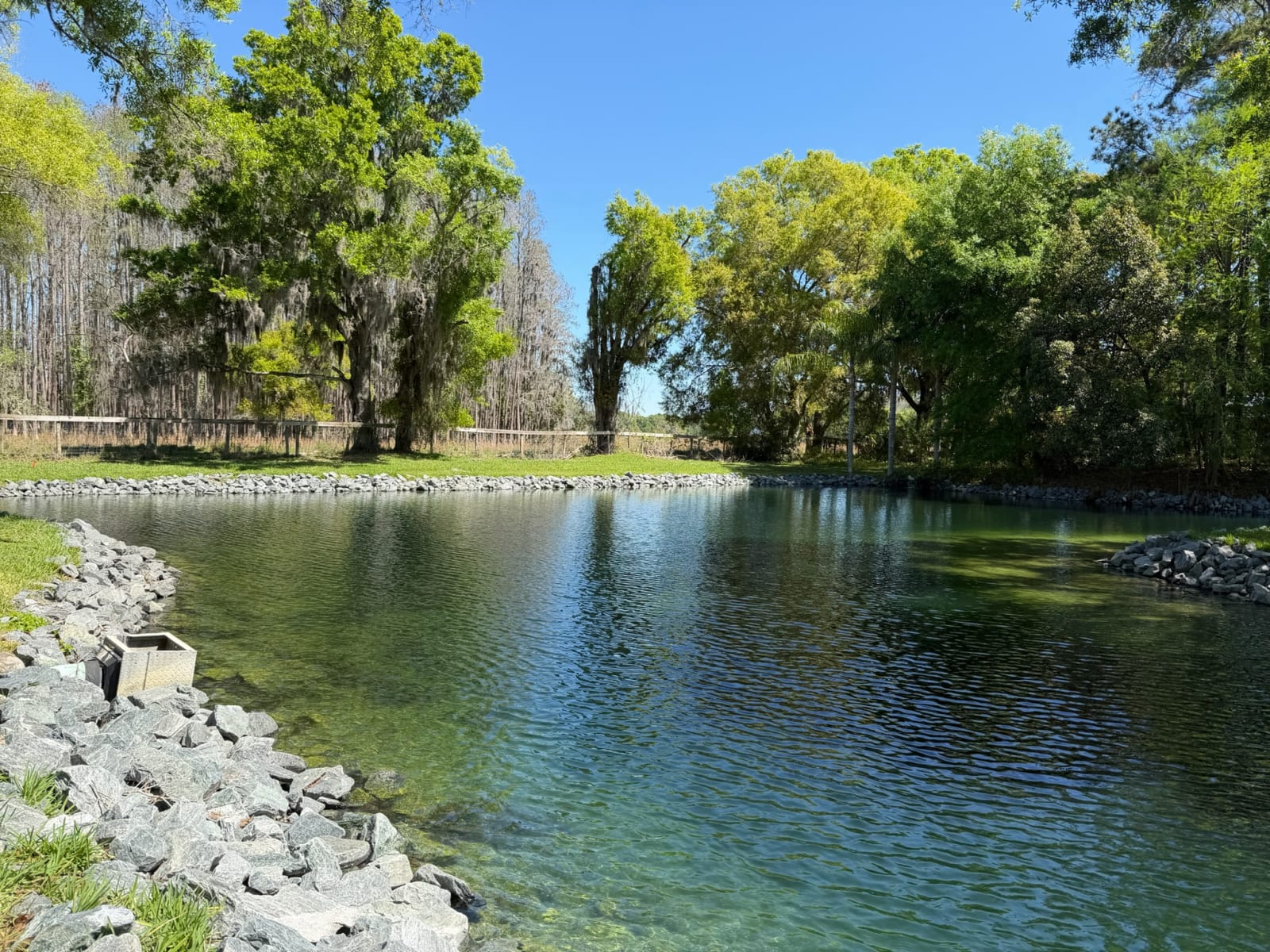
Runoff around ponds, swales, ditches and outfalls can carry soil into the drainage system or continue cutting into an exposed bank.
Slopes & embankments
A failing slope may need grading, soil replacement, stone, geotextile or drainage correction—not simply a surface patch.
Sensitive work limits
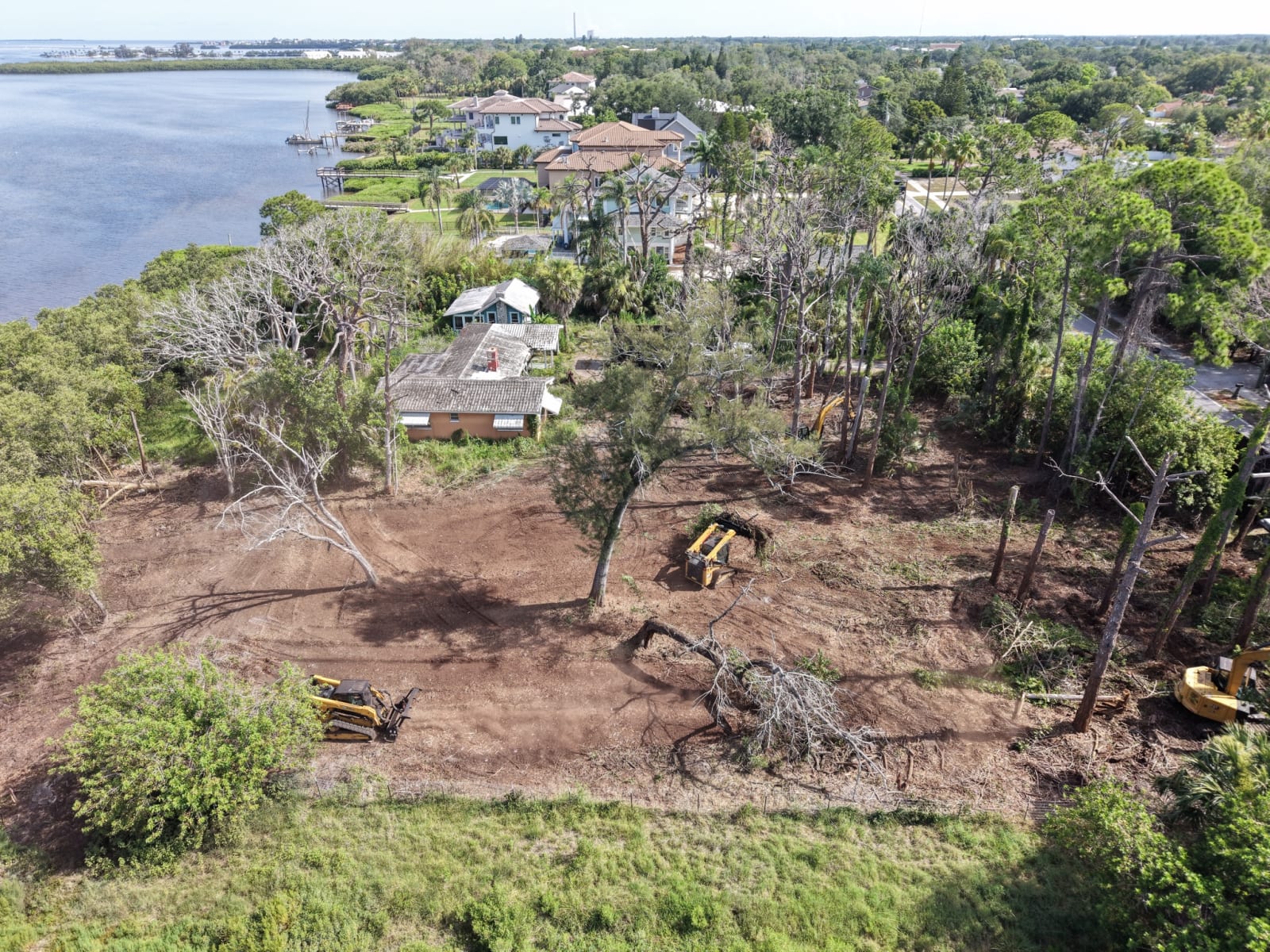
Tree protection, wetland buffers, habitat areas and marked no-disturb zones may require physical separation from active equipment.
A decision that changes the scope
Temporary site protection and permanent erosion repair solve different problems.
Construction erosion control
Used while a site is disturbed. The goal is to control sediment, stabilize access and keep soil from leaving the work area while construction or earthwork continues.
Permanent stabilization
Used when runoff, water movement or slope failure is already damaging the property. The repair may involve grading, drainage, rip rap, geotextile or rebuilding the affected area.
Lake County
The local part of the scope
Clermont's terrain and lake-rich setting make slope, elevation and drainage especially important to earthwork. Larger projects should be planned around the actual site grades, drainage areas and any water or wetland features that limit disturbance.
Lake County planning guidance specifically considers terrain, soil, geology, slopes, drainage areas, wetlands and floodplains when land is disturbed. Those factors can change the right clearing, grading and stabilization approach.
For erosion control, that means the work area, access, existing drainage, limits of disturbance and the finished use should be clear before the scope is finalized.
Planning reference: Lake County 2030 Comprehensive Plan. Project-specific permit and engineering requirements should always be confirmed from the current plans and local authority.
Scope it correctly
What changes the scope
Where runoff begins and where it is supposed to discharge.
How much soil is exposed and what work is still occurring.
How quickly water moves and how easily the ground is eroding.
How controls or repairs can be installed, inspected and maintained.
Useful answers before the quote
Questions worth answering first
Do I need silt fence or a permanent erosion repair?
Can erosion control be installed around ponds or drainage areas?
Can AllJax combine erosion control with grading or rip rap?
Clermont project review
Send the project, not just a service name.
Send the property location, photos of the affected area, the approximate length or size of the problem and what happens during heavy rain. That gives AllJax a better starting point for separating temporary site protection from a permanent repair.