What Do You Do With Excess Dirt After Excavation?
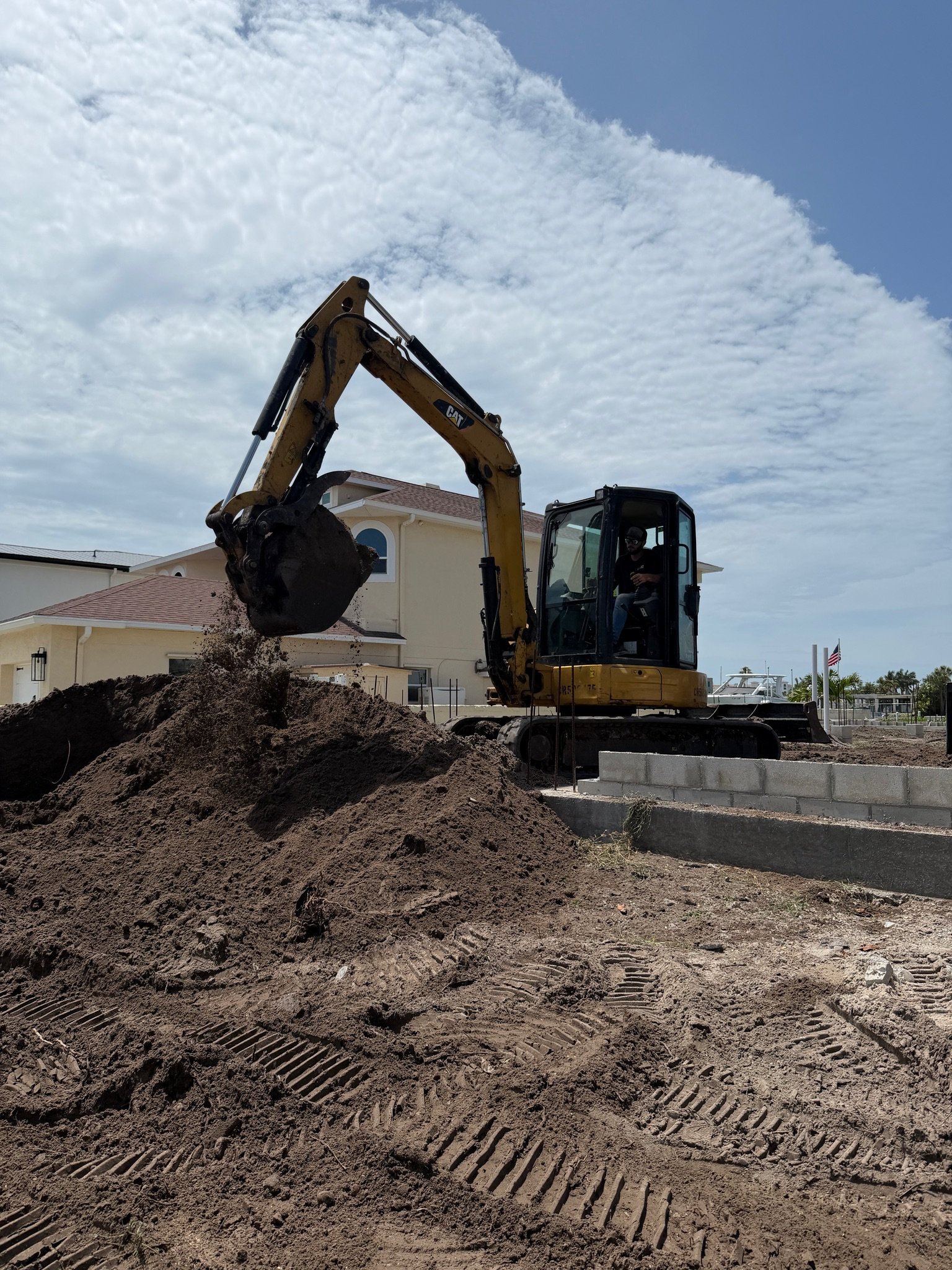
Excavating for a foundation, pool, drainage system, driveway or utility line can produce far more dirt than expected. Depending on the material and the needs of the property, that excavated soil may be reused, graded across the site or hauled to an approved location.
Can Excavated Dirt Be Reused?
Usable excavated dirt can often remain on the property. Common uses include:
Backfilling completed excavations
Raising low areas
Establishing the required grade
Building berms
Shaping swales and drainage areas
Preparing areas for future construction
Reusing material can reduce trucking and disposal costs, but the soil must be suitable for its intended purpose.
Is Excavated Dirt Good for Grading?
Sometimes. Clean, stable soil may work for rough grading, but material containing roots, organic matter, construction debris or excessive moisture may settle or compact poorly.
Structural areas may require select fill or another material that meets the project’s specifications. Excavated dirt should not automatically be placed beneath foundations, pavement or other improvements without determining whether it is suitable.
When Does Dirt Need to Be Hauled Away?
Excess dirt generally needs to be removed when:
There is more material than the property can use
Keeping it would interfere with the finished grade
The soil is unsuitable for backfill or compaction
The material contains debris or organic matter
Site plans require material to be exported
Contamination is known or suspected
Hauling costs depend on the amount of dirt, loading conditions, truck access, travel distance and disposal requirements.
Where Does Excavated Dirt Go?
Clean soil may be transported to another project that needs fill or to a facility that accepts excavated material. Mixed or contaminated soil requires different handling and may need to be tested and delivered to an approved disposal facility.
Florida classifies soils and other materials from land clearing or development as construction and demolition debris when discarded. Mixing dirt with other waste can also change how the entire load must be handled. For that reason, soil should be kept separate from trash, treated wood and demolition debris whenever possible.
What Is Clean Fill?
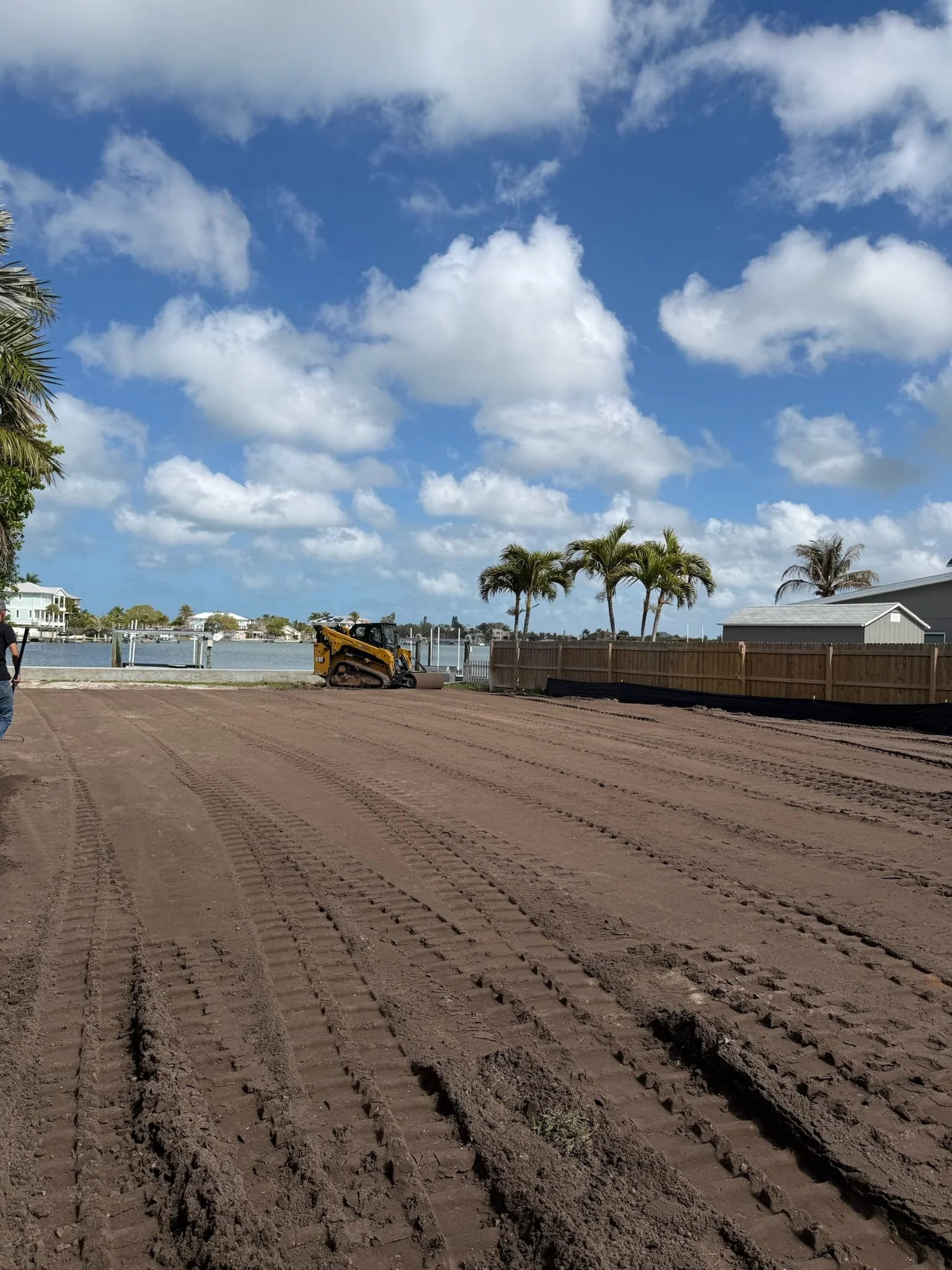
“Clean fill” generally refers to uncontaminated material suitable for reuse. Dirt from areas with possible petroleum, chemical or other environmental contamination should not be moved or reused without proper evaluation.
The source, condition and intended use of the material all matter. Local requirements, approved plans and project specifications may also determine whether excavated dirt can remain on-site.
Plan for the Dirt Before Excavation Begins
Dirt removal should be considered before digging starts. Estimating the amount of material, identifying possible on-site uses and confirming truck access can prevent unexpected piles, hauling expenses and project delays.
AllJax provides excavation, grading, material hauling and site preparation services throughout the Tampa Bay area and surrounding Florida counties. Visitalljaxinc.com to view our work or discuss the requirements of your property.