Florida Demolition and Hauling: Why Demo Is Only Half the Job
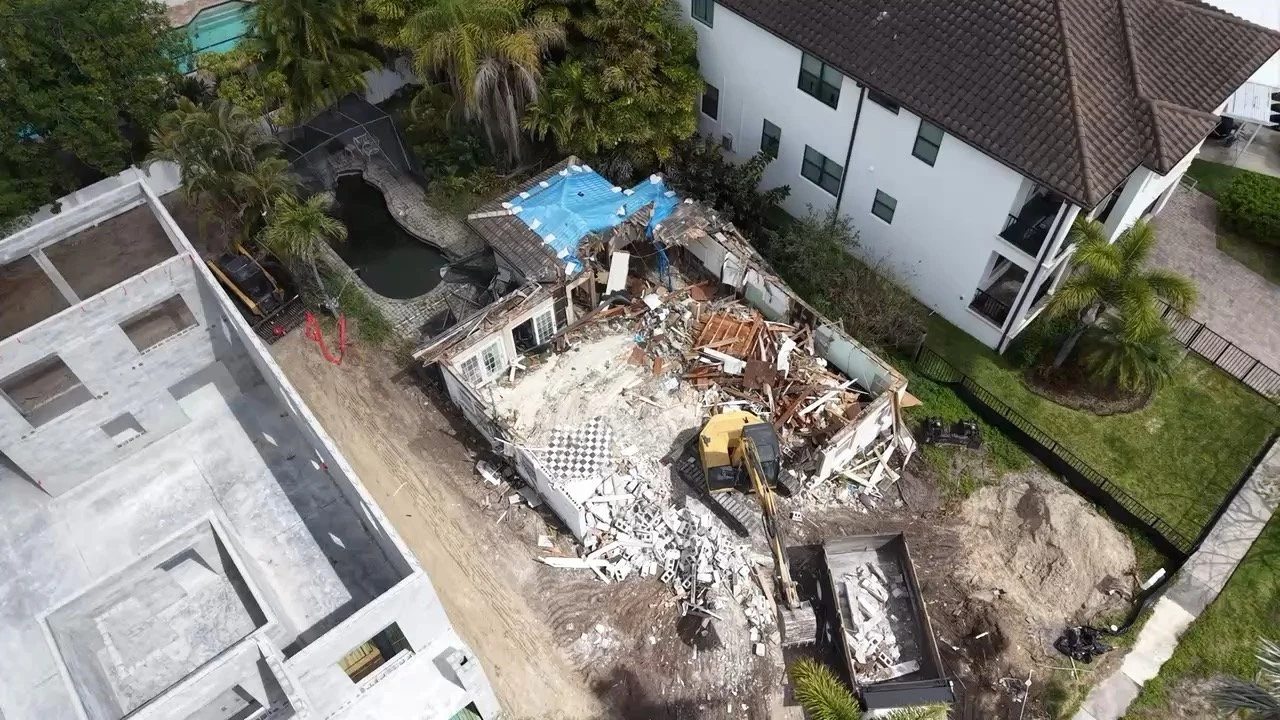
When planning a demolition project in Florida, tearing down the structure is only one part of the work. Every demolished building, concrete slab, pool deck, shed, or damaged structure leaves behind material that must be loaded, hauled away, and properly disposed of.
A complete Florida Hauling & Demo project should account for demolition, debris hauling, disposal fees, site cleanup, and any grading or fill work needed afterward. If hauling is not included from the beginning, the property can be left with large debris piles and unexpected disposal costs.
What Does a Complete Demo and Hauling Project Include?
Depending on the structure and property, demolition and hauling may include:
Checking local permit and utility requirements
Demolishing or removing the structure
Breaking up concrete slabs and foundations
Separating different types of debris
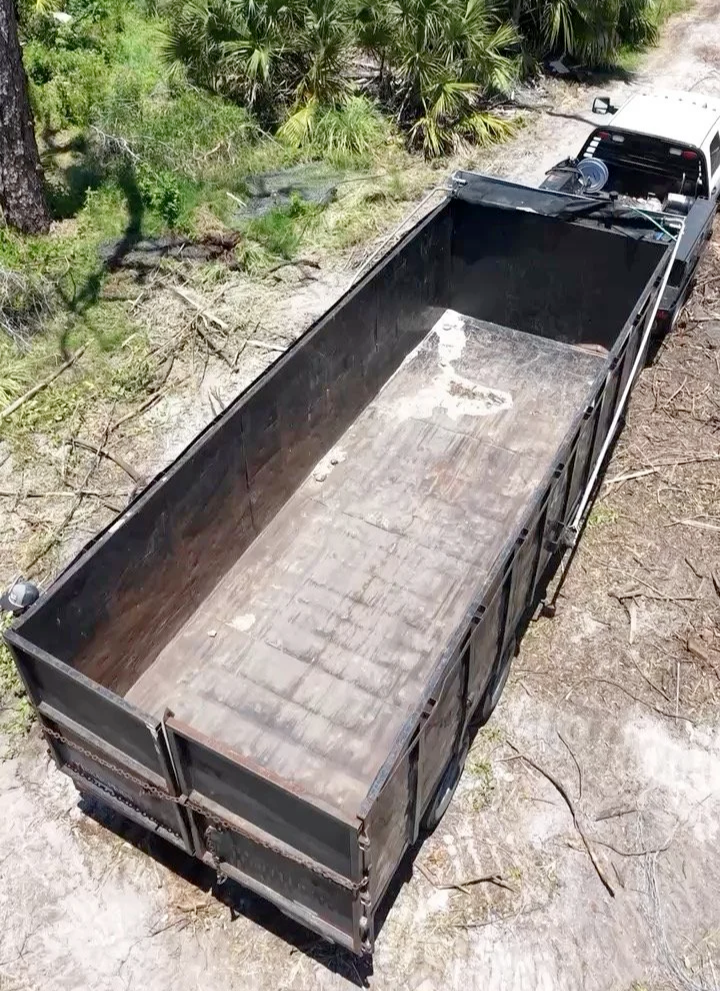
Loading debris into dump trucks or containers
Hauling material to an approved facility
Removing loose debris from the property
Filling, compacting, or grading the cleared areaFlorida DEP provides additional information about construction and demolition debris here.
Why Is Hauling Such an Important Part of Demolition?
Demolition debris is heavy and takes up more space than many property owners expect. Wood framing, roofing, concrete, block, metal, drywall, and other materials may require multiple truckloads.
Concrete and block are especially heavy. A relatively small concrete slab can create a significant amount of material once it is broken apart. The equipment used to complete the demo must also be supported by trucks capable of safely transporting the debris.
Coordinating demolition and hauling together helps keep the project moving. As material comes down, it can be loaded and removed instead of creating piles that interfere with equipment and site access.
What Types of Demo Debris Need to Be Hauled Away?
Common demolition and hauling projects in Florida include:
Houses and small structures
Garages, sheds, and outbuildings
Concrete slabs, sidewalks, and pool decks
Storm-damaged structures
Fences and exterior improvements
Construction debris and abandoned materials
Cleared vegetation mixed with structural debris
Different materials may need to be separated or taken to different disposal facilities. Clean concrete, metal, wood, mixed construction debris, and vegetative debris are not always handled the same way.
What Affects the Cost of Florida Demo and Hauling?
The cost of demolition and debris hauling depends on more than the size of the structure. Important factors include:
The amount and weight of the debris
The type of construction materials
Equipment and truck access
Distance to the appropriate disposal facility
Local disposal or tipping fees
Concrete slab and foundation removal
Required permits or inspections
Whether fill, compaction, or grading is needed afterward
A demolition estimate should clearly state whether loading, hauling, and disposal are included. A lower demolition price may not represent the full project cost if debris removal is charged separately.
Are Permits Required for Demolition in Florida?
Demolition requirements vary by structure and local jurisdiction. Depending on the project, permits, utility disconnections, contractor licensing, asbestos inspections, or state notifications may be required.
Florida’s contractor licensing requirements also depend on the type and size of structure being demolished.
Certain demolition and renovation projects may also be subject to asbestos inspection and notification requirements. When notification is required, it generally must be submitted at least 10 working days before work begins.Florida DEP provides current demolition and asbestos notification information here.
Property owners should confirm the requirements for their specific county or municipality before scheduling demolition.
What Happens After the Debris Is Removed?
Once the hauling is complete, the remaining area may still need work. Demolition can leave behind holes, uneven ground, loose soil, buried material, or drainage problems.
Depending on the future use of the property, the next step may include:
Importing clean fill
Compacting disturbed areas
Rough or final grading
Restoring drainage
Preparing for new construction
Installing a driveway or access area
Stabilizing the property against erosion
Planning these steps with the demolition helps prevent delays and prepares the property for what comes next.