Can I Add Fill Dirt to My Property in Florida?
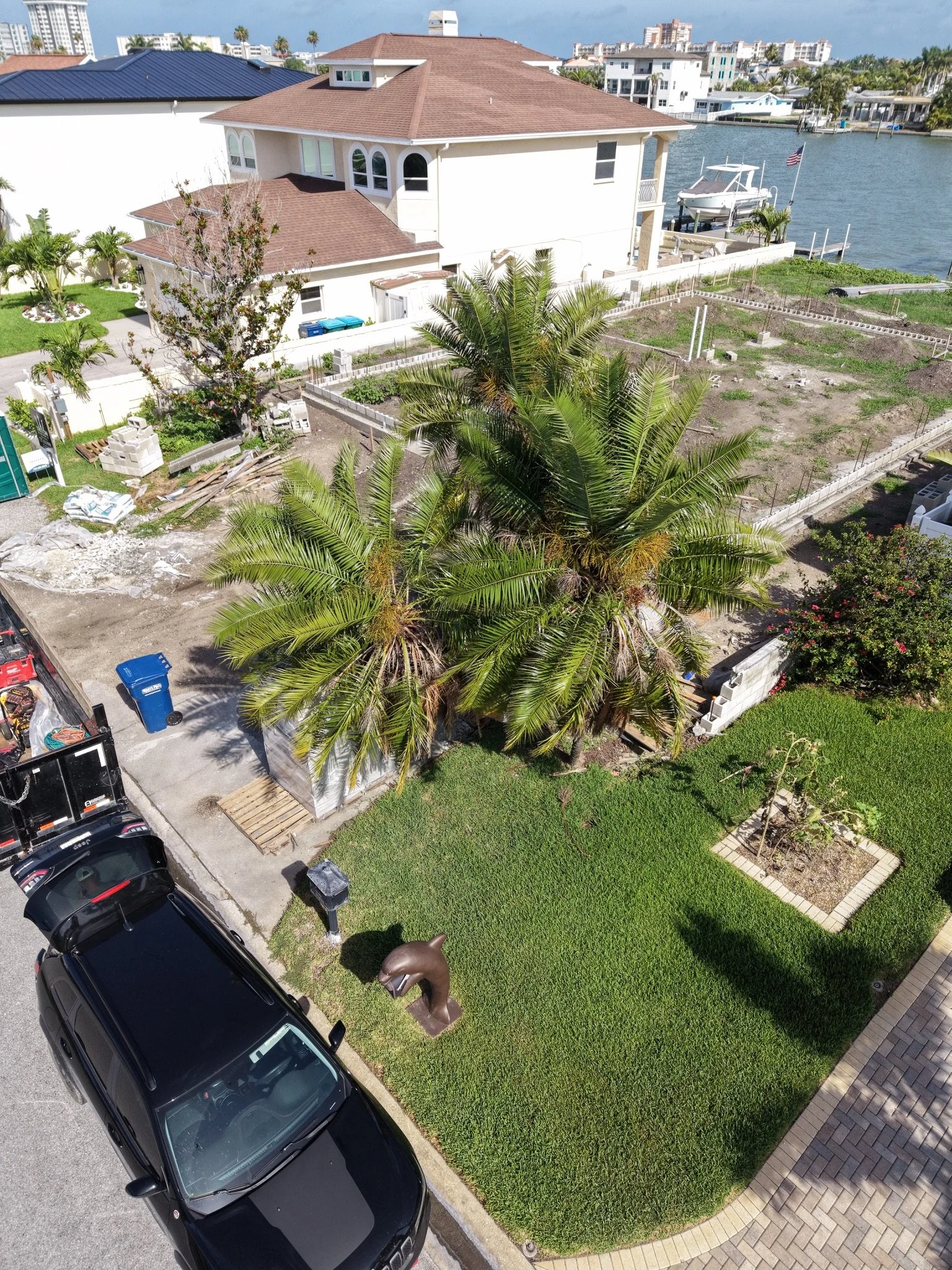
Adding fill dirt can raise a low area, prepare a building site or improve the way a property drains. In Florida, however, bringing in dirt can also change stormwater flow, flood storage and the elevation of the land.
Do You Need a Permit to Add Fill Dirt in Florida?
Possibly. The answer depends on where the property is located, how much dirt will be added and what the finished grade will do to surrounding drainage.
Fill work may be reviewed through county or municipal grading, drainage, floodplain, land-alteration or environmental regulations. Larger projects may also have state stormwater requirements.
The permitting authority may evaluate more than the number of truckloads. Even a smaller project can require review if it affects a wetland, drainage easement, flood-prone area or neighboring property.
What Determines Whether the Project Needs Approval?
Amount of Fill
A few wheelbarrows of soil and several dump-truck loads are treated differently. Some jurisdictions publish quantity thresholds, while others review the overall land alteration.
Change in Elevation
Raising the property can change where rainwater travels. A meaningful elevation change may require a grading plan even when the total area is relatively small.
Drainage Impact
Fill cannot create flooding, block an existing drainage path or direct additional runoff toward a house, roadway or neighboring property.
Flood-Zone Status
Properties in Special Flood Hazard Areas may require additional review, elevation information or compensatory storage.
Wetlands and Surface Water
Fill near wetlands, ponds, ditches and other regulated areas may require environmental review beyond a standard local grading permit.
Purpose of the Work
Requirements may differ when fill is used for a building pad, driveway, drainage repair, septic area or general landscaping.
Why Is There No Single Florida Fill-Dirt Limit?
Florida counties and municipalities use different standards. Some regulate the quantity of imported dirt, while others focus on the elevation change, disturbed area or effect on stormwater.
For example, Seminole County publishes a fill-permit requirement when more than 100 cubic yards are imported or when fill is placed in flood-prone areas or wetlands. Palm Coast publishes a much narrower exemption for one pickup-truck load spread by hand when the drainage pattern and overall grade are not changed.
These are examples of local rules, not statewide limits. The correct requirement comes from the county or municipality that has jurisdiction over the specific property.
Florida’s Construction Generic Permit may apply when qualifying construction activity disturbs at least one acre and discharges stormwater to state surface waters or a municipal storm-sewer system. Smaller areas can also be included when they are part of a larger common development plan.
Why Does Changing the Grade Matter?
Adding dirt does not eliminate water. It changes where the water collects and how it moves across the property.
If fill is placed without a grading plan, it may redirect runoff toward the home, septic system, driveway, roadway or adjacent property. It can also block a swale or another drainage path that was designed to carry water through the area.
Proper grading creates a controlled path toward an approved discharge point. Depending on the property, that may involve swales, catch basins, drainage pipe or retention areas.
Can You Add Fill Dirt in a Flood Zone?
Fill can receive additional scrutiny in a Special Flood Hazard Area because it may displace floodwater or change how floodwater moves across surrounding properties.
The project may require an elevation certificate, floodplain review, engineered drainage plan or compensatory storage. Requirements depend on the flood zone, proposed improvements and local regulations.
Being in Flood Zone X does not automatically remove every requirement. Local grading and stormwater rules can still apply outside mapped high-risk flood zones.
What If Wetlands or Surface Water Are Nearby?
Fill should not be placed in wetlands, ponds, ditches or other regulated areas without first confirming the required approvals. Review may involve the county, municipality, water management district or another environmental agency.
Wetland boundaries are not always visually obvious. An area can meet the definition of a wetland even when it appears dry during part of the year.
What Type of Fill Dirt Should Be Used?
The correct material depends on the intended use. General fill used to raise an open area may not meet the specifications required beneath a foundation, driveway or other structural improvement.
Fill should be suitable for the project and should not contain trash, treated wood, vegetation or mixed demolition waste. Organic material can decompose and create settlement, while contaminated material can create environmental and disposal problems.
Will You Need a Survey or Engineered Grading Plan?
Larger or more sensitive projects may require the existing and proposed elevations to be shown on a survey or grading plan. An engineer may also need to show how stormwater will be collected, directed and discharged.
A plan is more likely to be required when the project involves:
- A building pad or future structure
- A significant elevation change
- A flood-prone property
- A retention pond, ditch or wetland
- Drainage moving toward neighboring land
- Large quantities of imported material
What Should You Do Before Ordering the Dirt?
Plan the Grade Before Delivering the Dirt
Adding fill dirt can improve a property, prepare land for construction and correct low areas. The work must be planned around drainage, compaction, floodplain conditions and local permitting requirements.
Ordering material before completing that review can leave a property owner with dirt that cannot legally or safely be placed where originally planned.
AllJax provides site preparation, grading, excavation and material coordination throughout the Tampa Bay area and surrounding Florida counties. Visit alljaxinc.com to view completed projects or discuss your property.
Important: This article provides general information and is not a permit determination. Requirements should be confirmed with the authority having jurisdiction before work begins.
Information reviewed from Florida DEP , Seminole County , Palm Coast , Hillsborough County and Pasco County .